A desert safari is almost always worth adding to a Dubai trip, but it pays to choose more carefully than the advertising photos suggest. The one word “safari” covers very different things: a budget shared trip with a camp, a private 4x4, a short dune drive without a show, a heritage safari in vintage Land Rovers, a premium dinner inside a nature reserve, Sonara Camp, dune buggies or quad bikes.
The main mistake is booking “the cheapest safari” without knowing what’s included. The difference isn’t only the price. It’s the car, the driver, how many people share it, the quality of the camp, the queues, the food, the show, safety for children and whether you can ask for a gentler ride over the dunes.
In short: for a first time, most guests are happiest with an evening safari with dunes, sunset and dinner. Families do better with a private car or a calmer heritage format. Thrill seekers should look at buggies or a separate dune drive. If you want something beautiful and uncrowded, look at premium camps and reserve-based formats.
Checked: 25 October 2026. Before you book, confirm the current programme, the pickup zone, medical restrictions, rules for children, seasonal show changes, Ramadan and the weather: sandstorms, heat and private events can all change the schedule.
At a glance
Best format for a first time. An evening safari: dunes, sunset, camp, dinner and a show.
With children. A private 4x4 or a gentle format without aggressive dune bashing.
For thrills. Buggies, quad bikes or a separate dune drive.
For comfort. Heritage, Platinum or a Sonara-style camp.
What to check. The car, shared or private, the camp programme, children, medical restrictions and extras.
Best time. The cooler season and late afternoon; in summer, take it slowly.
The main risk. Not the price, but a format that doesn’t match what you expected.
How to choose a format in 30 seconds
First time in Dubai. Look at a classic evening safari: dunes, sunset, camp and dinner. Avoid the cheapest options with a vague camp and long shared transfers.
Family with children. Look at a private 4x4, a gentle pace and a camp you know something about. Avoid aggressive dune bashing, long waits and surprises with child seats.
Parents or older guests. Look at a calm sunset drive, a heritage safari or dinner without the hard dunes. Avoid “maximum thrills”.
Teenagers or a group of friends. Look at dunes, buggies, sandboarding and a private car. If the drive is the whole point, avoid random add-ons at the camp.
A couple or a birthday. Look at Sonara, Platinum or a private desert dinner. Avoid a mass camp if you want quiet and a beautiful evening.
Culture lovers. Look at vintage Land Rovers, falcons, the reserve and an Emirati dinner. Avoid a standard programme with no story or context.
The classic evening desert safari
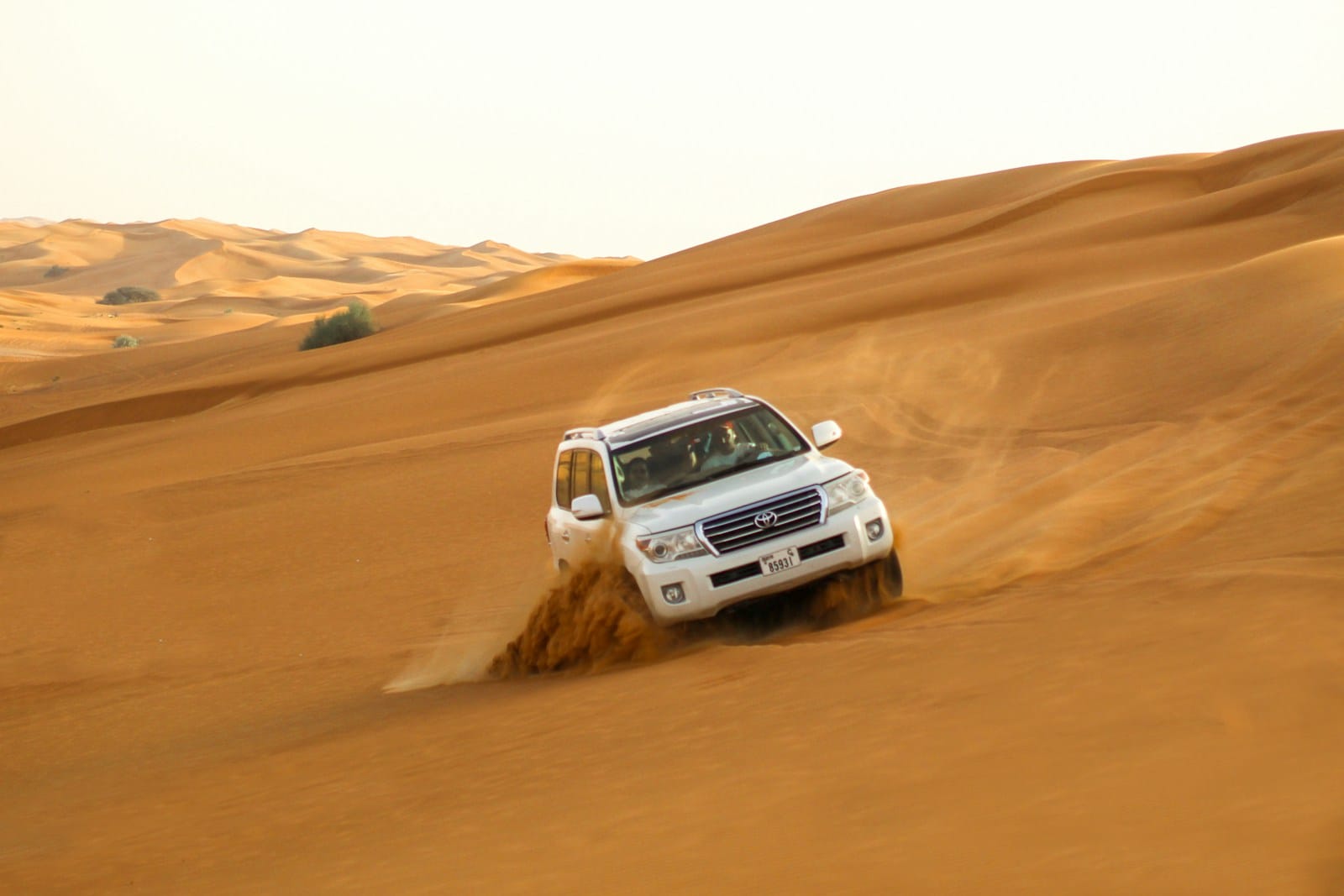
The classic version is a hotel pickup in the afternoon, the drive into the desert, a dune drive, sunset photos, the camp, a short camel ride, dinner and a show. On this site that’s the Desert Safari, with the programme and current prices.
It works if you want everything at once: dunes, sunset, a little adrenaline, an Arabian-style camp, dinner and the evening atmosphere. For a first trip to the UAE it is often the best choice, because it delivers “seeing the desert” without complicated logistics.
But this is also where operators differ the most. A cheap ticket can mean a long shared transfer, long waits, a big camp, a weak dinner, lots of extras and little control over the pace. Sometimes people think they’ve bought a safari and in fact they’ve bought a seat on a conveyor belt.
Good questions to ask before booking:
- is the car shared or private;
- how many people will be in the 4x4;
- which areas of Dubai they pick up from, and whether your hotel is included;
- how long the dune drive lasts;
- which camp, and which area of the camp;
- which activities are included and which are paid on the spot;
- whether the trip can be made gentler for children or adults.
Private 4x4: when the extra cost is worth it
You don’t always need a private car, but it often saves the day. Especially if you travel as a family, with small children, with parents, with someone who gets motion sick, or you simply don’t want to fit around other people’s timing.
The main advantage of a private car is control. You can ask the driver to go easier, stop for a break, skip waiting for other guests, leave the camp earlier or sit out some of the activities. That doesn’t make the safari expensive for the sake of it; it makes it predictable.
If the budget allows, for families I would usually suggest a private 4x4 over a shared one. Not because shared trips are bad, but because the desert doesn’t forgive tiredness: heat, sand, the drive, children, the late return. The fewer surprises, the better.
Heritage safari: less shaking, more meaning
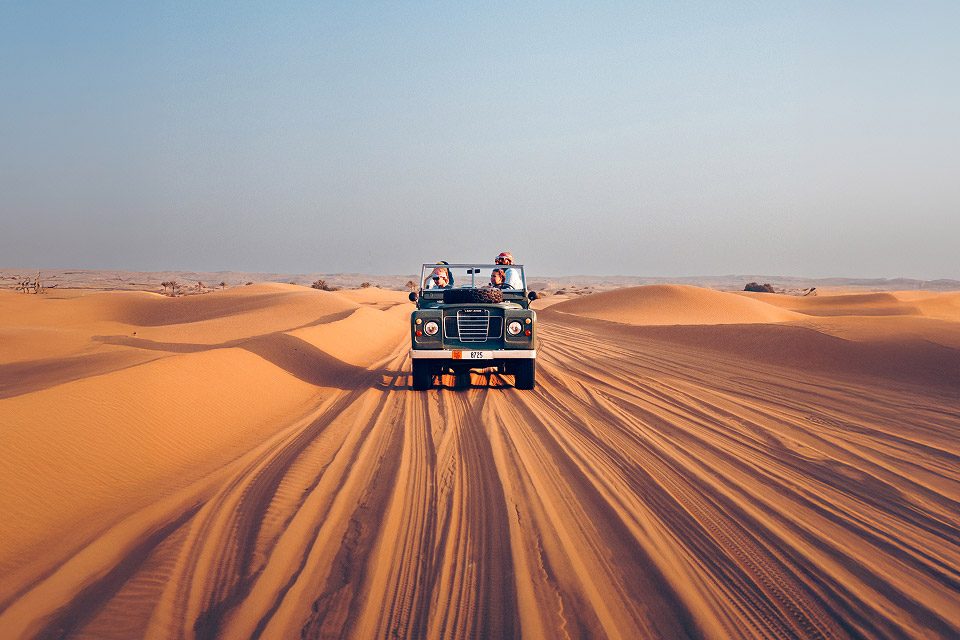
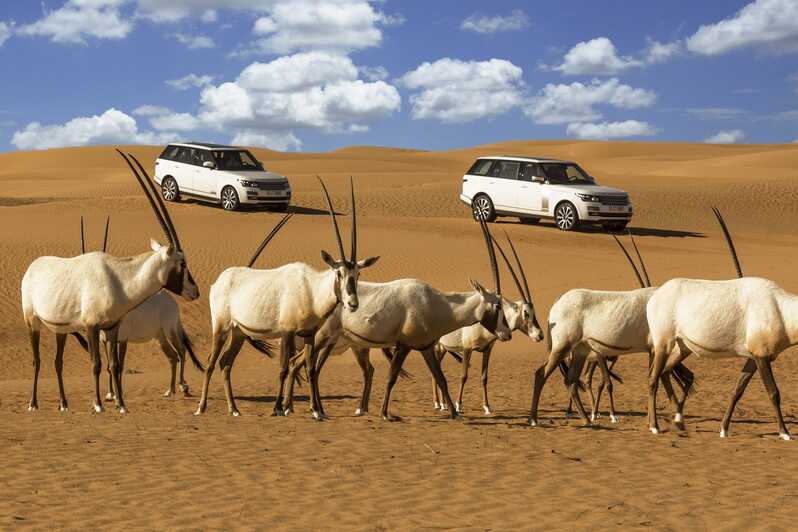
The Traditional Safari is different from the usual one because it isn’t built around sharp dune bashing. What matters here is the vintage Land Rovers, the protected reserve, falcons, wildlife, the history of the desert and a calmer Emirati dinner.
It suits people who want more than “a ride on the sand” and would like to understand how the desert connects to Bedouin life, falconry, camels, oryx, gazelles and Dubai’s early history. It’s especially good for guests who don’t want extremes but do want atmosphere.
The downside is simple: if teenagers or friends are expecting adrenaline, a heritage safari can feel too soft. In that case it’s more honest to pick a classic safari with dunes or a separate buggy trip.
Platinum, Sonara and beautiful desert dinners
Nobody chooses a premium desert format to “pop out to the sand cheaply”. The point is service, style, fewer people, a lovely dinner, privacy and the sense of an occasion.
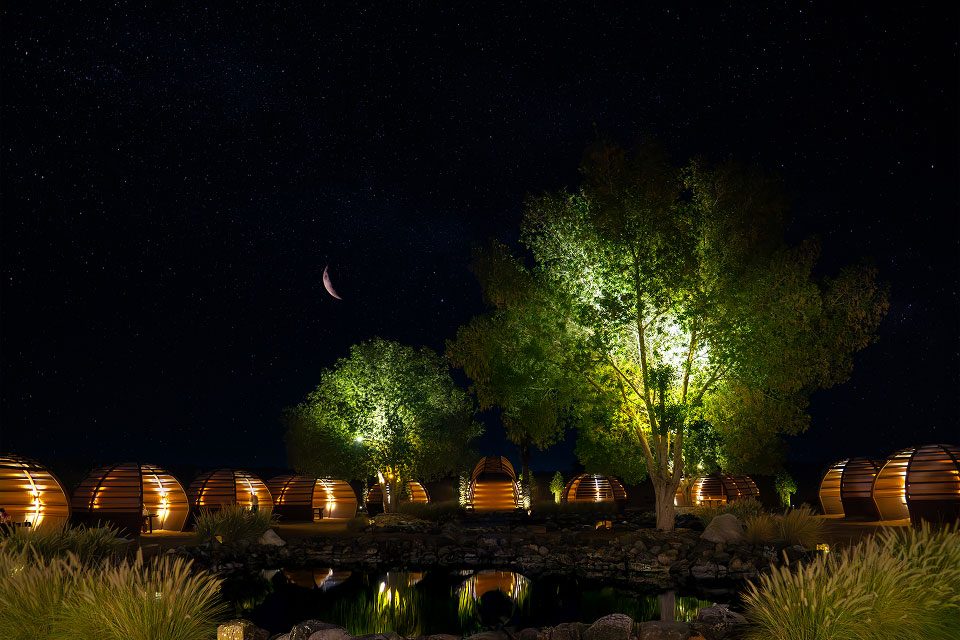
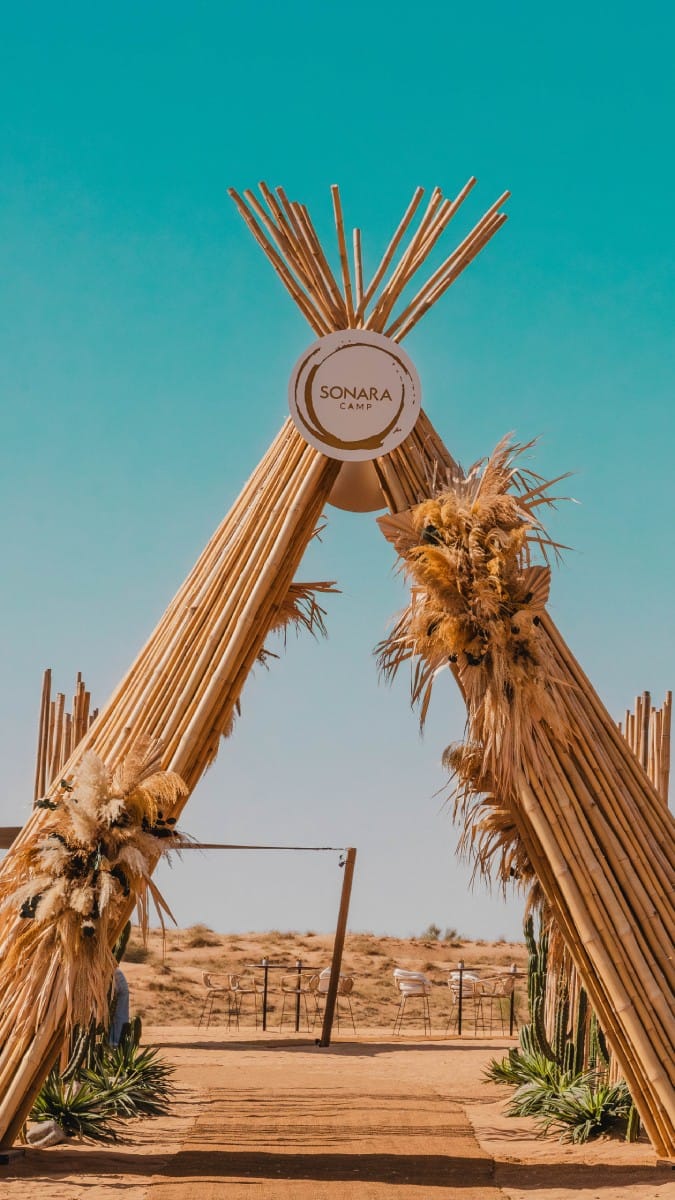
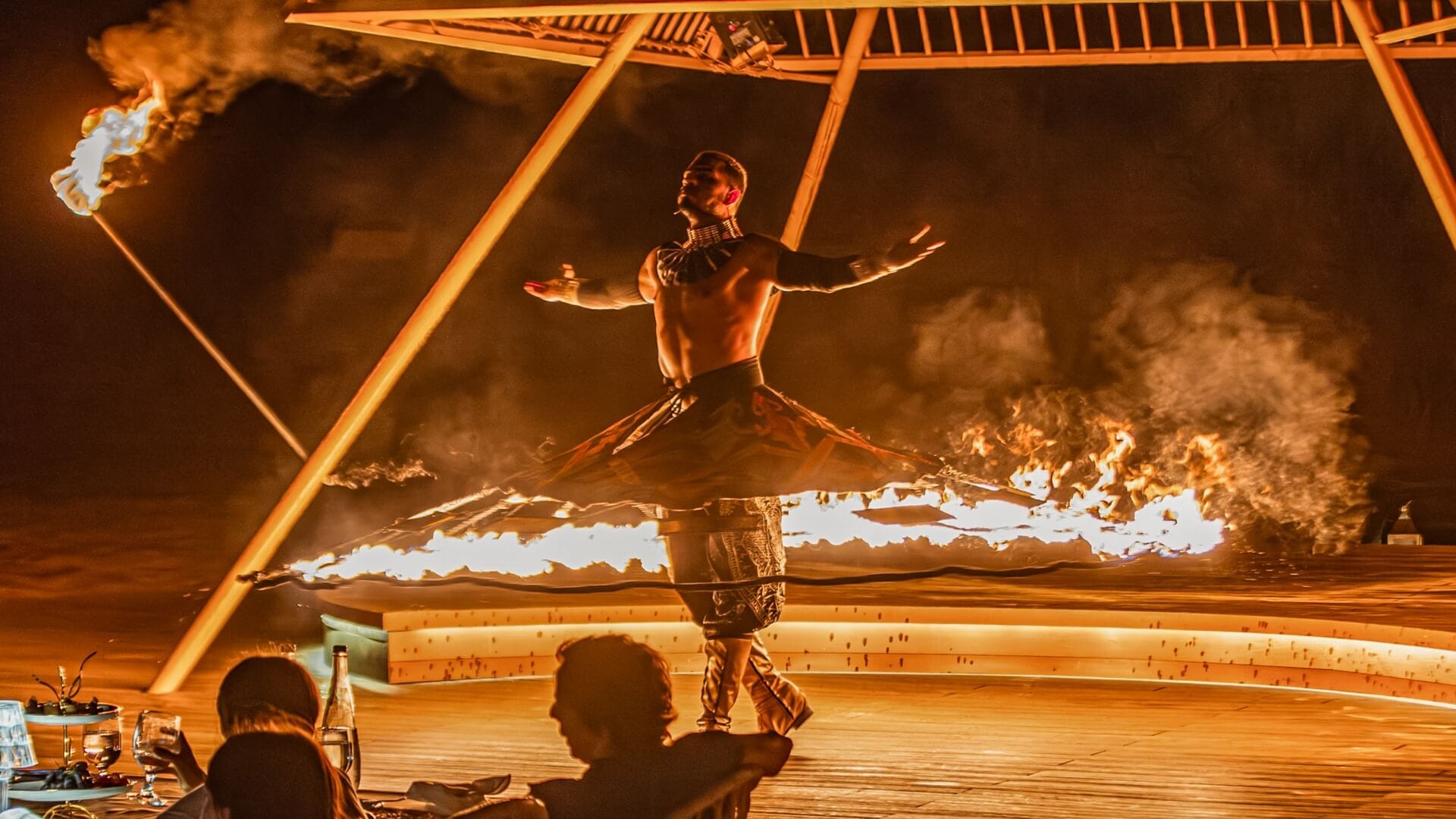
The Platinum Safari suits guests who care about a high standard: the car, a private oasis, dinner, the show and the feel of the whole evening. The Sonara Camp safari is more about the restaurant and the atmosphere: dunes, the camp’s design, the food, the sunset and an evening programme.
These formats work especially well for:
- a birthday;
- a couple without children;
- families who want a comfortable camp;
- guests who have already done a standard safari;
- anyone who doesn’t want a tourist conveyor belt.
Here too, check the details. One beautiful camp is mostly about dinner and atmosphere, another about entertainment, a third about the reserve and wildlife. First decide what matters most to you: food, dunes, privacy, photos, the show or peace and quiet.
Dune buggies, quad bikes and a dune drive without the camp
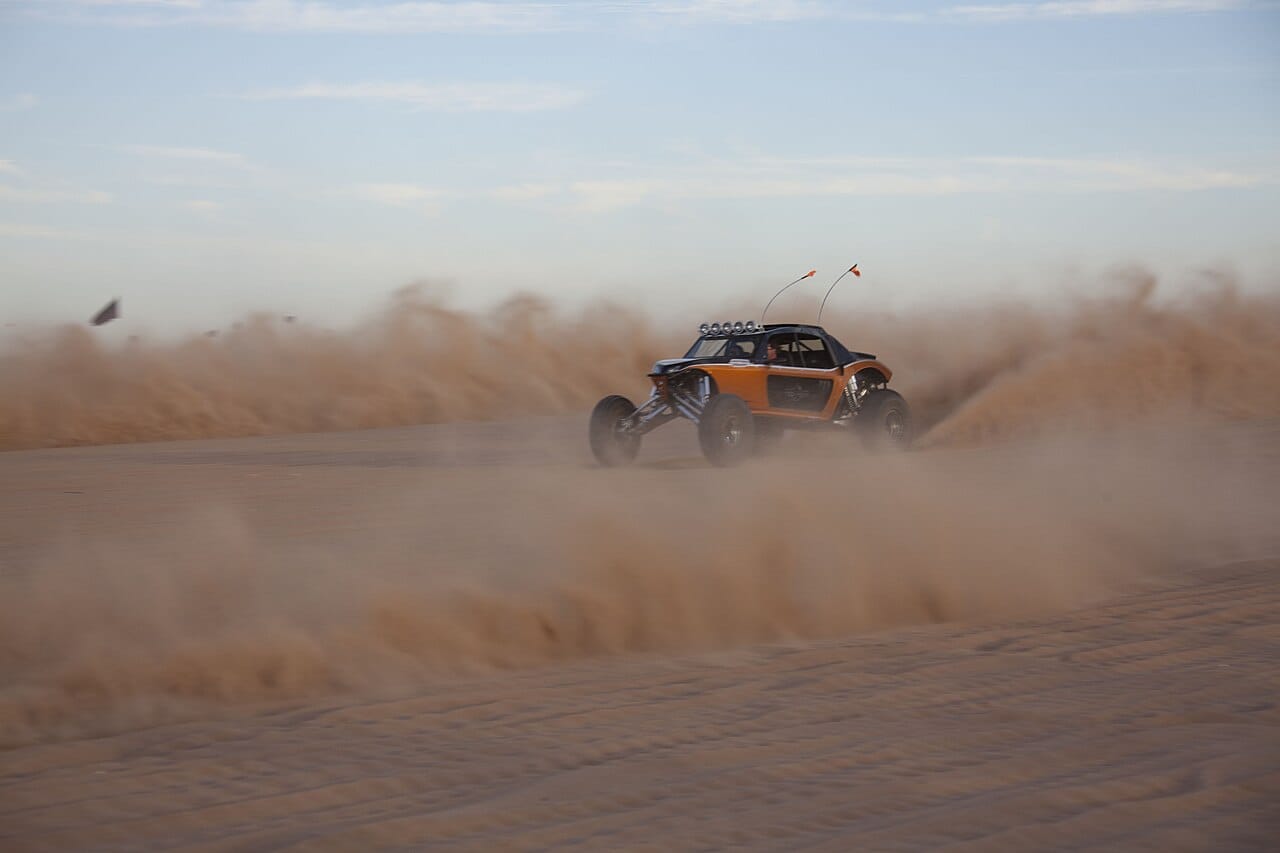
If the drive is what you’re after, it’s more honest to book a dune buggy tour as its own thing. On a standard safari, quad bikes and buggies are often an extra paid at the camp, and that’s not always the best experience: little time, a lot of waiting, and it isn’t always clear what machine or track you’ll get.
Choose a buggy if you want to drive yourself and you’re ready for dust, heat, safety gear and a briefing. It isn’t for everyone: some people love it, others find it stressful. With children or cautious adults, don’t make the buggy a surprise without talking it through first.
There’s also a middle option: a dune drive only, without the camp. It’s good if you don’t need the shows, dinner, henna, souvenirs and a big camp. It’s more compact and more honest: you go into the desert, drive the dunes, take photos and come back.
Safety, children and medical restrictions
A safari looks like light fun, but a dune drive is still off-road driving. Visit Dubai’s evening safari listing says plainly that pregnant women and people with heart conditions, neck or back problems and some other conditions should not take part. It also sets out rules for young children: under-2s cannot join a dune drive or other off-road safari, children aged 2–4 need special seating in a private vehicle, and 5-year-olds need a child seat.
This isn’t a formality. Even with a careful driver, sand is unpredictable and the car moves over slopes. If you have doubts, choose:
- a calm sunset drive;
- a heritage safari without aggressive dune bashing;
- dinner at a camp without the hard dune section;
- a private car where you control the pace;
- a different evening plan in the city.
With children, tell the operator in advance their age, height, whether they get car sick and what they expect from the trip. If a child is scared of sudden movements, a safari can still be lovely, just not in the “show us the scariest dunes” version.
Summer heat and Ramadan
The desert is at its most beautiful in the cooler season. A summer safari is possible, but adjust your expectations: fewer activities in open sun, more water, more care with children, less “let’s do one more run”. In July and August even the evening can be hard going, and the sand and the car heat up more than you’d think from the hotel.
Ramadan and religious holidays matter too. In its evening safari listing Visit Dubai notes that belly dancing is not performed during Ramadan. Depending on the operator, the music, shows, alcohol packages, timings and the mood of the camp may change. It isn’t worse, just a different programme.
Before you pay, don’t just ask “will there be a show?”. Ask specifically:
- which shows will run on my date;
- whether anything changes for Ramadan or public holidays;
- whether the bar, shisha and music are on;
- which activities can be cancelled because of the weather;
- what time we will actually be back at the hotel.
Common mistakes when booking a desert safari
Booking on price alone. A difference of 50–100 AED can mean a completely different camp, car, waiting time and number of people.
Not checking shared or private. On a shared trip you depend on the other guests: pickup, waiting, pace and the return.
Adding a buggy at the camp. It’s often more expensive, shorter and less predictable than a proper separate booking.
Bringing small children without checking the rules. Age limits and child seats need to be discussed before you pay, not at pickup.
Ignoring medical restrictions. Pregnancy, back, neck or heart problems and severe motion sickness are all reasons to pick a gentle format.
Expecting a premium dinner from a budget camp. A big camp can be fun, but don’t expect Sonara or a private oasis.
Planning a busy day after the safari. The return is often late, children get tired, and the sand and the drive take it out of you.
What I’d choose for different trips
First trip to Dubai on a budget: the classic Desert Safari, with a good operator and a clear programme.
A family with children: a private 4x4 or a calm format where the dunes can be toned down and you don’t wait for other guests.
Something beautiful and uncrowded: Sonara or another premium camp.
Culture and nature: the Traditional Safari in vintage Land Rovers.
A special-occasion evening: the Platinum Safari.
Adrenaline: a desert buggy tour or a separate dune drive without the camp.
If you’re planning several days, put the safari after the city part. In the Dubai in 3 days itinerary, for example, the desert works well as an evening change of pace after the skyscrapers, malls and old town. Travelling with children? My notes on Dubai with kids cover the rest of the trip.
Sources
Practical answers
Frequently asked questions
Is a desert safari worth it on a first trip to Dubai?
Yes, if you want to see more than the city. The desert is the clearest contrast to Dubai, but the format has to suit your group.
Is a shared desert safari much worse than a private one?
Not necessarily. A shared safari can be fine with a good operator, as long as you accept shared pickups and timing. A private car is better when children, comfort, pace and fewer surprises matter.
Can I do a desert safari without dune bashing?
Yes. Choose a gentle format, a camp dinner, a heritage safari, or ask the driver to take the dunes more softly. Agree on this before you book.
How old do children need to be for a desert safari?
It depends on the format. Dune drives and off-road safaris have age limits, and young children may need special seating and child seats. Tell the operator the children's ages in advance.
What should I wear on a desert safari?
Comfortable clothes, flat shoes, an extra layer for the evening in the cooler season, sunscreen, sunglasses and anything you don't mind getting sandy. Closed shoes are better for buggies and quad bikes.
Morning or evening desert safari: which is better?
For a first time, usually the evening: sunset, the camp, dinner and the show. A morning trip suits people who want a short active outing without the evening programme.
Why do desert safari prices vary so much?
Because very different things are sold under the same word: shared or private, a mass camp or a premium one, dunes or a nature reserve, buggies extra or included, simple food or a restaurant dinner.