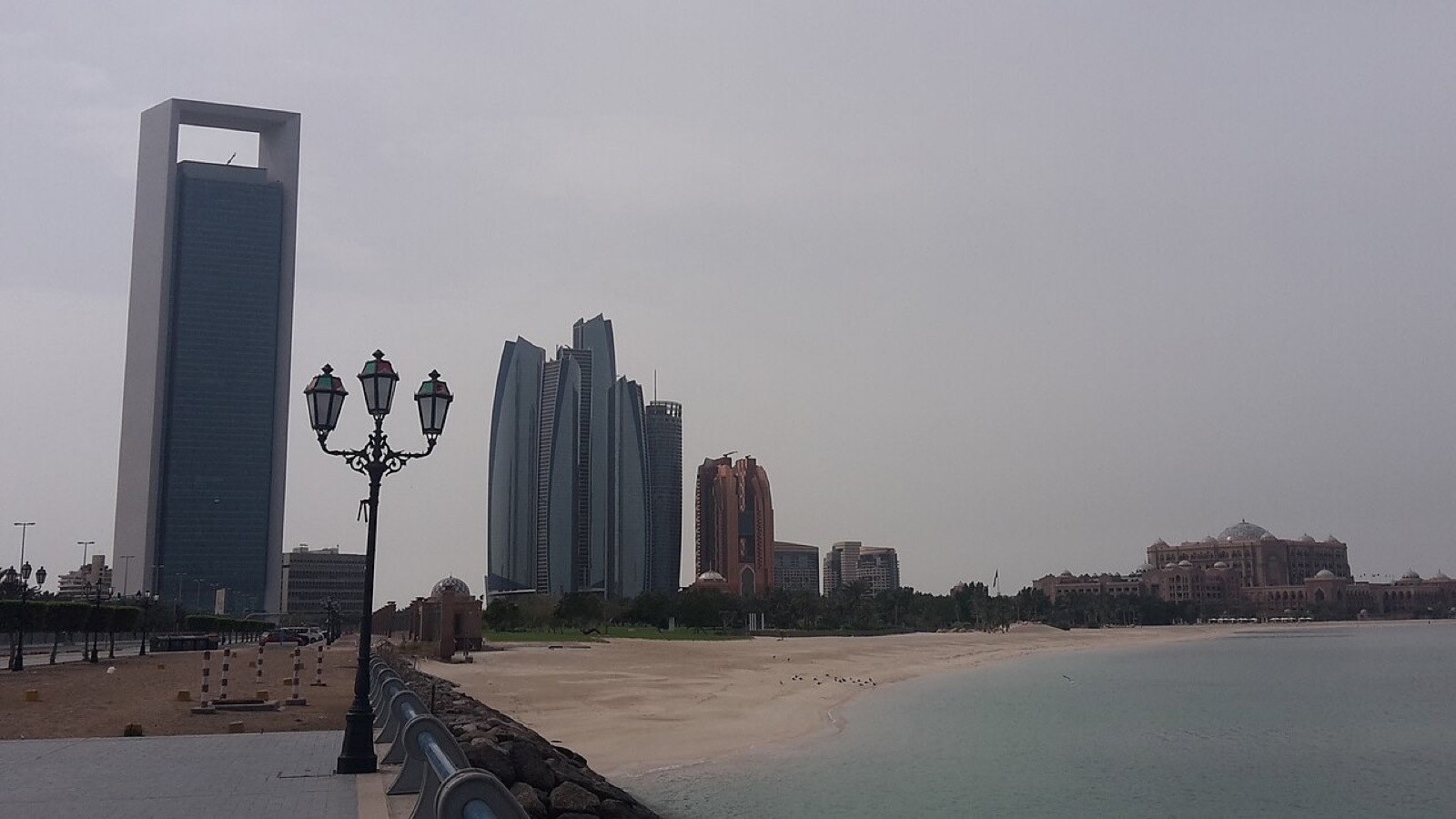
When people talk about UAE property, they usually mean Dubai. But the capital, Abu Dhabi, has its own market with its own character: fewer areas where foreigners can buy, a lower fee on purchase, less new supply and a calmer rhythm.
I run tours in Abu Dhabi every week and watch Saadiyat, Yas and Al Reem change. Below is how the capital’s market differs from Dubai’s, where foreigners can buy and which figures matter as of October 2026.
Where foreigners can buy
Since April 2019, after an amendment to Abu Dhabi’s property law, foreigners can own property outright in investment zones. Before that, they mostly had access to long leasehold.
The UAE government portal u.ae lists nine zones: Yas, Saadiyat, Al Reem, Al Maryah, Lulu, Al Raha Beach, Saih Al Sedairah, Al Reef and Masdar City. A longer list published by The National in 2019 includes others too: Jubail Island, Nurai Island, Al Shamkha, Al Jurf and Ghantoot, Hiid Al Saadiyat, Fahed Island and Al Falah. The list of zones can change, so check the specific project.
According to u.ae, foreigners receive ownership documents for 99 years; there’s also musataha, a 50-year right that can be extended by agreement between the parties. Which format a specific property has is in its documents.
The areas and their character
Based on an Engel & Völkers overview (July 2026):
- Saadiyat: the most premium island, with beaches, Louvre Abu Dhabi and the museum district, and branded residences. Prices are among the highest in the emirate.
- Yas: the entertainment island, with Yas Marina, Yas Mall and Ferrari World. Apartments, townhouses and villas, and steady rental demand.
- Al Reem: close to the centre, one of the largest and most established apartment markets.
- Al Raha Beach: a quiet waterfront next to Yas and the international airport, convenient for families.
- Masdar City: the “green” city, with apartments and townhouses at more affordable prices.
- Al Reef: one of the most affordable freehold areas, a suburban format for families.
According to ADREC’s first market report (first half of 2025), Saadiyat accounted for about a third of the value of all sales with 17% of deals, while Al Reem and Yas together made up 41% of deals by number. In other words, Saadiyat is about expensive property, Reem and Yas about the mass market.
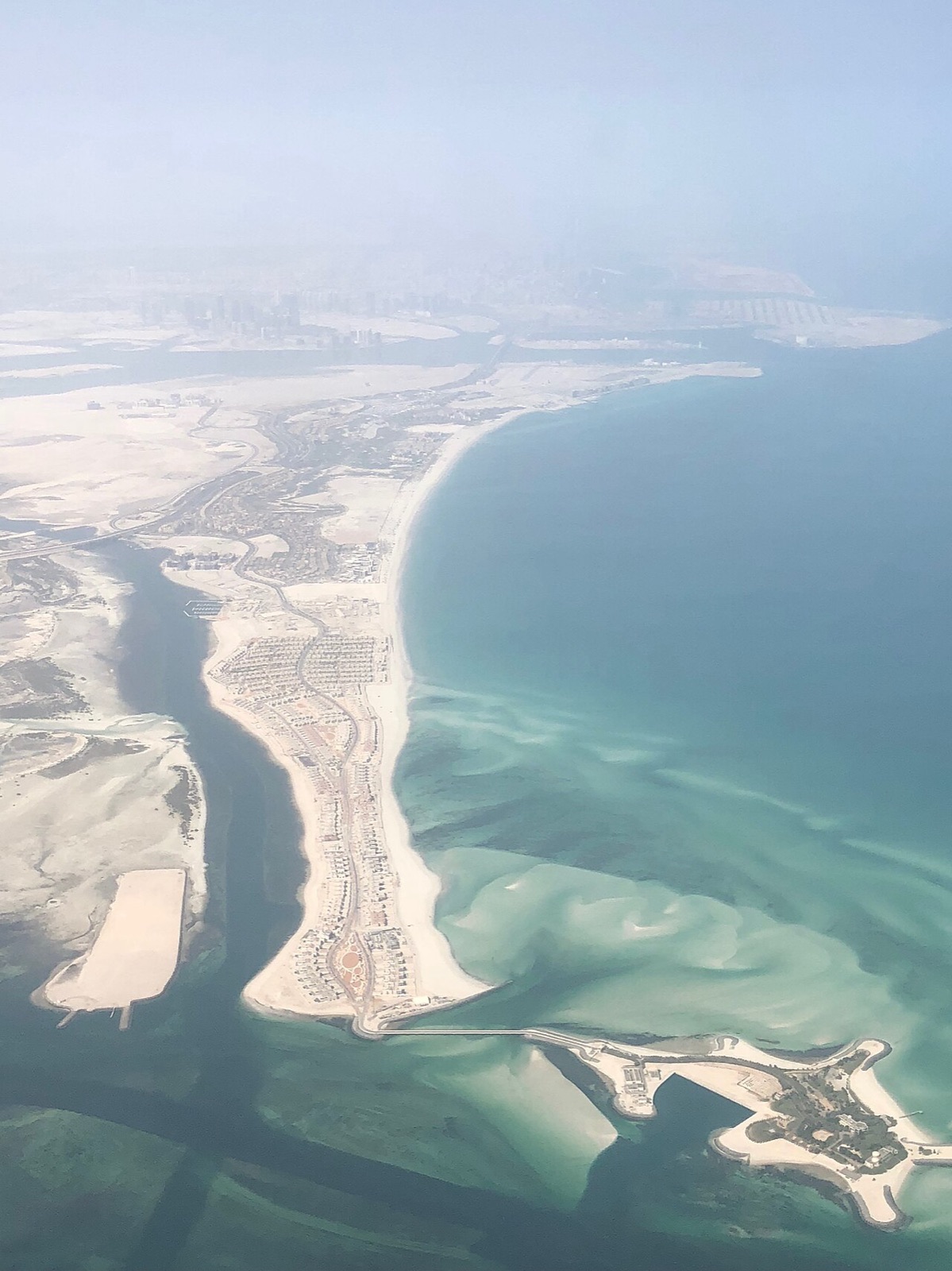
Saadiyat is the island of museums and beaches, and home to the capital’s most expensive projects. Photo: Slywire, CC BY-SA 4.0, Wikimedia Commons
How Abu Dhabi differs from Dubai
The purchase fee. In Abu Dhabi the transfer registration fee is 2% of the price, often split between buyer and seller, though that’s a matter of negotiation. For some government-backed projects the rate can differ. Add AED 1,000 for the title deed and 0.1% of the loan if you buy with a mortgage. In Dubai the Dubai Land Department fee is 4%. Dubai’s costs in detail are in what it costs to buy property in Dubai.
Scale. In 2025, according to the Abu Dhabi Real Estate Centre (ADREC), the emirate recorded 42,814 property transactions worth a record AED 142 billion, of which sales were AED 99.4 billion. That’s 44% more than in 2024. Foreign investors came from more than 100 countries. Dubai’s market is still several times bigger: in the first half of 2026 alone it sold 80,509 homes.
New supply. By Colliers, about 2,200 new homes handed over in Abu Dhabi in Q2 2026, with about 3,200 more expected by the end of the year. Dubai expects about 56,600 units by the end of 2026. Less new supply means less competition for tenants.
Price trends. In Q2 2026 Abu Dhabi apartment prices fell 3% quarter on quarter but rose 19% year on year; villas were up 10% year on year. Apartment rents rose 7% year on year. About 84% of deals were off-plan. Past growth doesn’t guarantee future growth.
Developers. The biggest is Aldar: founded in 2004, listed on the Abu Dhabi exchange since 2005, it built Yas Island with its Formula 1 circuit and Ferrari World, Al Raha Beach and Al Raha Gardens, and merged with Sorouh in 2013. How to check developers in general is in Dubai property developers.
The golden visa
The golden visa rules are federal, so property in Abu Dhabi can qualify you too. The value threshold, the visa term and the requirements for mortgaged and off-plan property vary by situation and change, so check them on the ICP website before you buy. More in golden visa through property.
Who Abu Dhabi suits
- People who will live in the capital or work at ADGM on Al Maryah Island.
- People who want a calmer market with less new supply and lower entry fees.
- Families who value quiet neighbourhoods by the water: Al Raha, Yas, Al Reef.
If you’re choosing between the emirates to live in, compare everyday life in Dubai or Abu Dhabi.
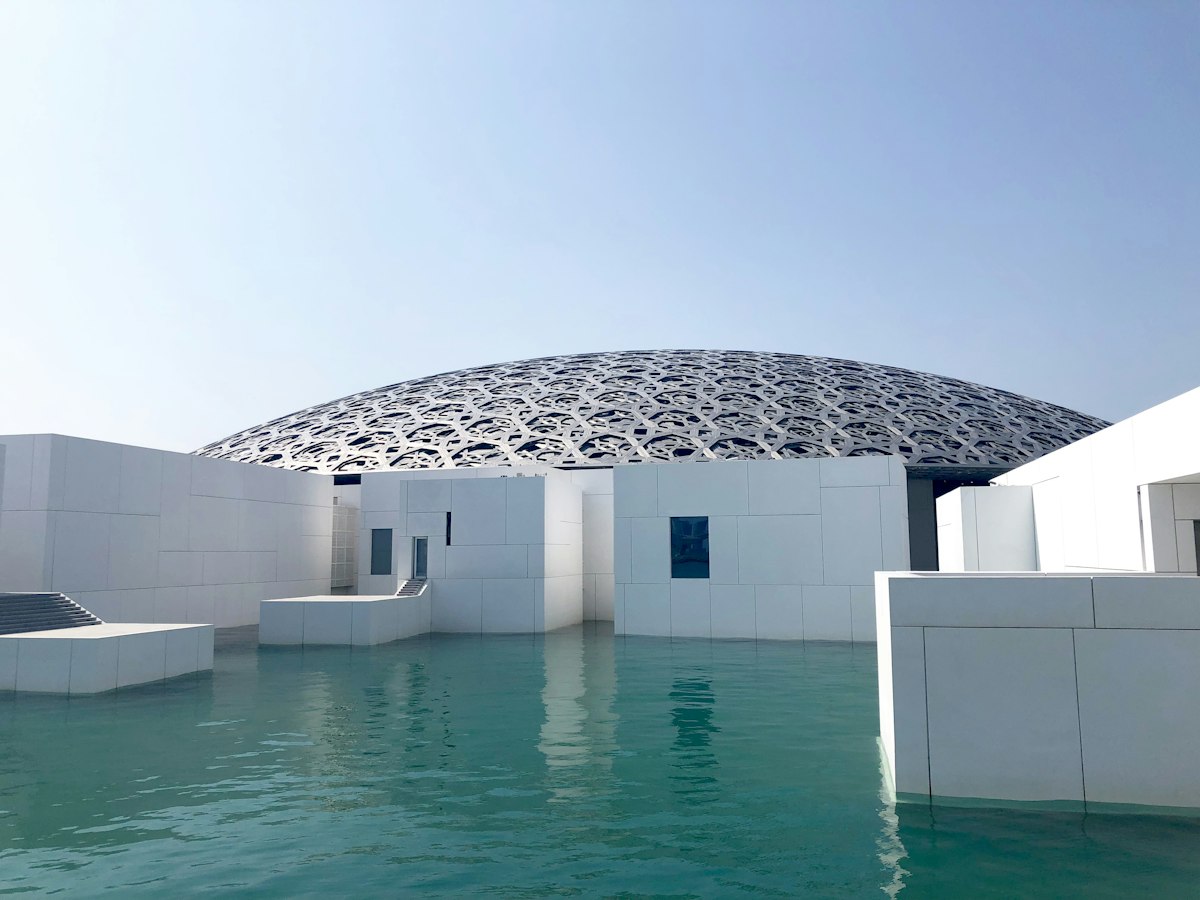
Louvre Abu Dhabi is a neighbour of Saadiyat’s residential projects, and the museum district affects prices around it too. Photo: a.canvas.of.light, CC BY 2.0, Flickr
How I can help
I’m not a property agent. But the difference between Saadiyat and Al Reem is something you need to see once. In a day from Dubai we can drive through the areas you’re considering: Saadiyat with the Louvre, Yas, Al Raha, Al Reem. I’ll pick you up from your hotel in Dubai and bring you back, and then introduce you to agents I trust.
It’s easy to combine looking at areas with getting to know the capital: Sheikh Zayed Grand Mosque in the morning, neighbourhoods in the afternoon. Have a look at my Abu Dhabi day tour or the Louvre Abu Dhabi guided tour, and for a day on your own, my Abu Dhabi day trip guide.
This isn’t legal or investment advice: rules and prices change, so check them before any deal.
Checked on 11 October 2026. Sources: u.ae, ADREC via Abu Dhabi Media Office, Colliers via Khaleej Times, Property Finder, Engel & Völkers, The National.
Practical answers
Frequently asked questions
Can a foreigner buy an apartment in Abu Dhabi?
Yes, in investment zones. Since April 2019 foreigners can own property there outright; the zones include Saadiyat, Yas, Al Reem, Al Maryah, Al Raha Beach, Al Reef and Masdar.
What are the costs of buying in Abu Dhabi?
The main government fee is 2% of the price for registering the transfer (often split 1% and 1% with the seller), AED 1,000 for the title deed and 0.1% of the loan for mortgage registration. Plus the agent's commission. In Dubai the DLD fee is 4%.
Is it better to buy in Abu Dhabi or Dubai?
It depends on your goal. Dubai has more areas, more projects and more liquidity, but also more new supply. Abu Dhabi is smaller and calmer, fewer new homes hand over, and the purchase fee is lower. Look at the specific area and building.
Which Abu Dhabi areas are popular with foreign buyers?
Saadiyat is premium, near the Louvre and the beaches; Yas is next to the theme parks and entertainment; Al Reem is a large apartment market close to the centre; Al Raha Beach is a quiet waterfront near the airport; Al Reef and Masdar are more affordable.
Can Abu Dhabi property get me a golden visa?
The golden visa rules are federal, so property in Abu Dhabi can qualify too. Check the threshold, the visa term and the conditions for mortgaged and off-plan property on the ICP website before you buy.
Can you show me Abu Dhabi's neighbourhoods?
Yes. I'm not an agent, but I can show you Saadiyat, Yas, Al Reem and Al Raha in person in one day and introduce you to agents I trust.

