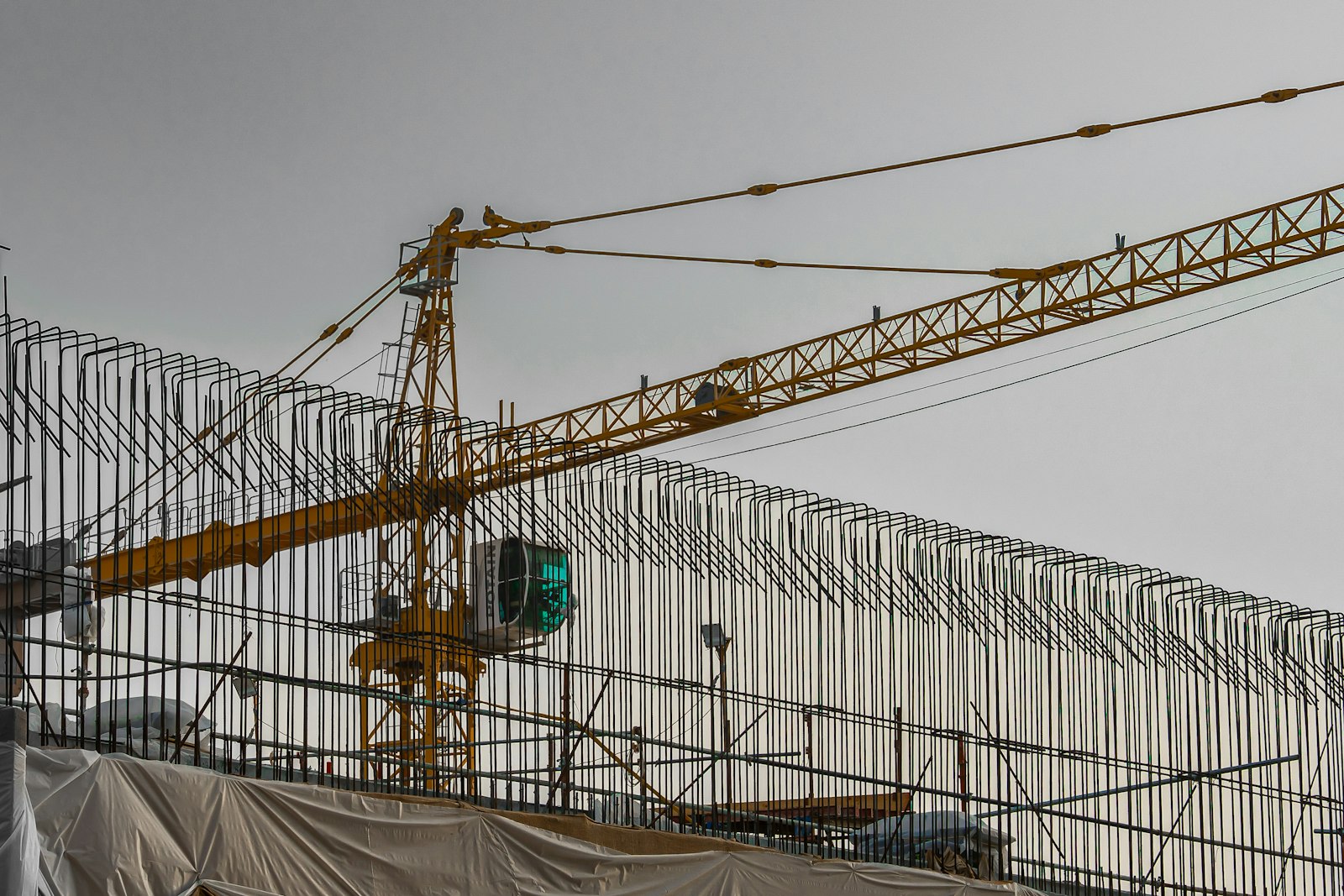
When you buy an apartment in Dubai under construction, you’re not buying walls but a promise: to build on time, to the quality and with the amenities shown in the picture. That’s why choosing the developer matters more than it seems.
This post covers who’s who among Dubai’s large developers and, more importantly, how to check a developer and a specific project yourself, using Dubai Land Department (DLD) data. You won’t find a “best developer” ranking here: DLD doesn’t publish an official reliability ranking, and promotional lists are usually written by the people selling.
Master developers: the ones who build districts
Emaar
Founded in 1997 by Mohamed Alabbar and listed on the Dubai Financial Market (DFM) since 2000. Emaar built Burj Khalifa, Dubai Mall and the fountain, and among residential districts Downtown, Dubai Hills Estate, Dubai Creek Harbour, Emaar South and The Oasis. According to the company itself, it has delivered more than 130,900 homes in Dubai and other markets since 2002.
When I take guests through new districts, I always suggest comparing not only the price but also the size and layout: apartments in new projects are often more compact than people expect, and the price per bedroom can be misleading.
Nakheel
Founded in 2003. Its best-known project is Palm Jumeirah; its projects also include Jumeirah Islands, The World, Dubai Islands and Palm Jebel Ali. Since 16 March 2024 Nakheel has been part of Dubai Holding.
The story of Palm Jebel Ali is a good lesson about timelines. Land reclamation began in 2002, work stopped after the 2008 crisis, and in 2022 a court cancelled the villa contracts from the first version of the project. In autumn 2022, riding the boom, Nakheel announced a relaunch. The new master plan was unveiled on 31 May 2023, construction resumed in 2024, and the first units are promised for handover in the first quarter of 2027.
Meraas
A developer in the Dubai Holding group. You’ve almost certainly seen its “destinations”: Bluewaters, City Walk, La Mer, Port de La Mer and Jumeira Bay. Its residential projects include Nad Al Sheba Gardens and homes in City Walk.
Dubai Properties
Active since 2002 and also part of Dubai Holding. It developed JBR and much of Business Bay (Executive Towers, Bay Square), as well as the family communities of Mudon, Villanova, Serena and Remraam.
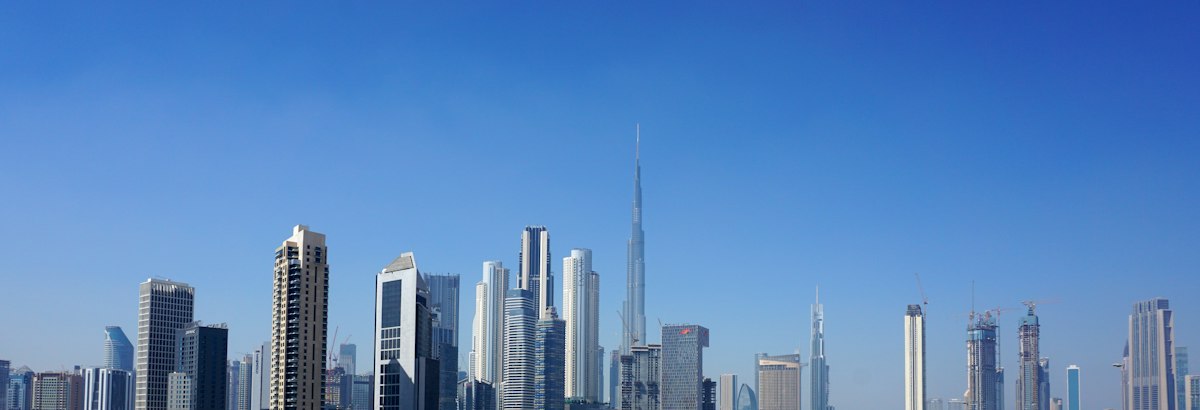
Whole districts of the city, Downtown, Business Bay and JBR, were built by a handful of master developers. You can see their finished projects in person. Photo: Robert Bock, CC0, Wikimedia Commons
Large private developers
Sobha
The Sobha group was founded in Oman in 1976 by PNC Menon; today it works in the UAE, India and the UK. Its main project in Dubai is Sobha Hartland and Sobha Hartland II. The company focuses on design and build quality.
DAMAC
Founded by Hussain Sajwani. The company was listed on the Dubai Financial Market from 2015 to 2022 and then went private again. It’s known for the large communities of DAMAC Hills, DAMAC Hills 2 and DAMAC Lagoons.
Ellington
Describes itself as a “design-led developer”. Its projects are spread across the city: Palm Jumeirah, Dubai Hills, JVC, Downtown, Business Bay and other areas.
Binghatti
Recognisable by its distinctive architecture. Most of its projects are in JVC and Business Bay, with others in Al Jaddaf, Majan and Dubai Science Park. Its branded projects include Burj Binghatti Jacob & Co Residences, Bugatti Residences and the Mercedes-Benz Places buildings.
This list isn’t complete: hundreds of developers work in Dubai, and small doesn’t mean unreliable. That’s why the checks matter more than the name.
How to check a developer and a project
1. The project is registered with DLD. To start selling, the developer registers the project: the land must be in a freehold zone and owned by the developer, the developer must be registered in the Trakheesi system, and it must show 30% completion, a bank guarantee or a 30% deposit. After all the procedures a certificate is issued, and only then can the project launch.
2. The project has an escrow account. Under the escrow law, off-plan buyers’ payments go into a separate bank account for the project. The money can only be spent on that project: contractors, consultants and marketing, with no more than 5% of sales going to marketing. Another 5% is retained for a year after completion to fix defects. If you’re asked to pay into a different account, stop.
3. The purchase is registered in Oqood. An off-plan contract is registered in DLD’s interim register within 90 days of signing. The fee is 4% of the price: under the DLD tariff, 2% from the buyer and 2% from the seller, but in practice the split depends on the contract.
4. Status and completion. You can check a project’s status on the DLD website by plot number, project number or name. A buyer can also order a technical report on the completion percentage: according to the DLD FAQ, it costs 15,070 AED.
5. A broker with a RERA card. The broker must be on the register and hold a broker card. You can check this on the DLD website and in the Dubai REST app.
6. The developer’s completed buildings. The most honest check is to visit a building the developer handed over three to five years ago: what the lobbies, lifts and facade look like, and what the service charges are.
Launches and the pressure to rush
At the start of sales for a new project, there’s often a feeling that you have to buy today: queues, “last units”, a discount until the end of the week. But hype tests demand, not the developer. Only sign after the checks above. More on buying under construction in my guide to off-plan property in Dubai, on costs in the costs of buying property in Dubai, and on areas in the best Dubai areas for investment.
In January 2023 I walked around a new Emaar district and shared my impressions in my Instagram stories: everything new and shining, lots of sports courts and playgrounds. My conclusion then was that the developer is good, but the apartments are small by the standards many of my guests are used to. That’s why it’s worth seeing the layout in person, not just in the brochure.
How I can help
I’m not an agent and I don’t rate developers. But I can show you their work in person. In a day we’ll drive through finished districts by different developers, from Downtown and Business Bay to family communities, and see what the buildings look like a few years after handover and what’s being built next door. I’ll pick you up from your hotel and afterwards introduce you to agents I trust.
If it’s your first time in Dubai, start with my Arabian Dream city tour.
This isn’t legal or investment advice: rules and prices change, so check them before any transaction.
Checked on 11 October 2026. Sources: Dubai Land Department (FAQ, project registration, Oqood), the websites of Emaar, Nakheel, Meraas, Sobha, Ellington and Binghatti.
Practical answers
Frequently asked questions
Who are the biggest property developers in Dubai?
Among the master developers that build whole districts are Emaar (Downtown, Dubai Hills, Dubai Creek Harbour) and the Dubai Holding companies: Nakheel (Palm Jumeirah), Meraas and Dubai Properties. Among the large private developers are DAMAC and Sobha. DLD doesn't publish an official reliability ranking.
How do I check a developer in Dubai?
Check that the project is registered with DLD and has an escrow account, look up its status and completion percentage on the DLD website, and then visit the developer's completed buildings: quality, timing, service charges.
What is an escrow account and why does it matter?
It's the bank account of a specific project into which off-plan buyers' payments go. The money can only be spent on that project's costs, no more than 5% of sales on marketing, and 5% is retained for a year after completion to fix defects.
What is Oqood?
It's the interim registration of an off-plan purchase with the Dubai Land Department. The contract must be registered within 90 days of signing; the fee is 4% of the price.
Can I pay the developer directly into its own account?
Off-plan payments must go into the project's escrow account. If you're asked to transfer money to a different account, stop and check the details with DLD and the bank.
Can you show us developers' projects?
Yes. I'm not an agent, but in a day I can drive you through finished districts by different developers and introduce you to agents I trust.
