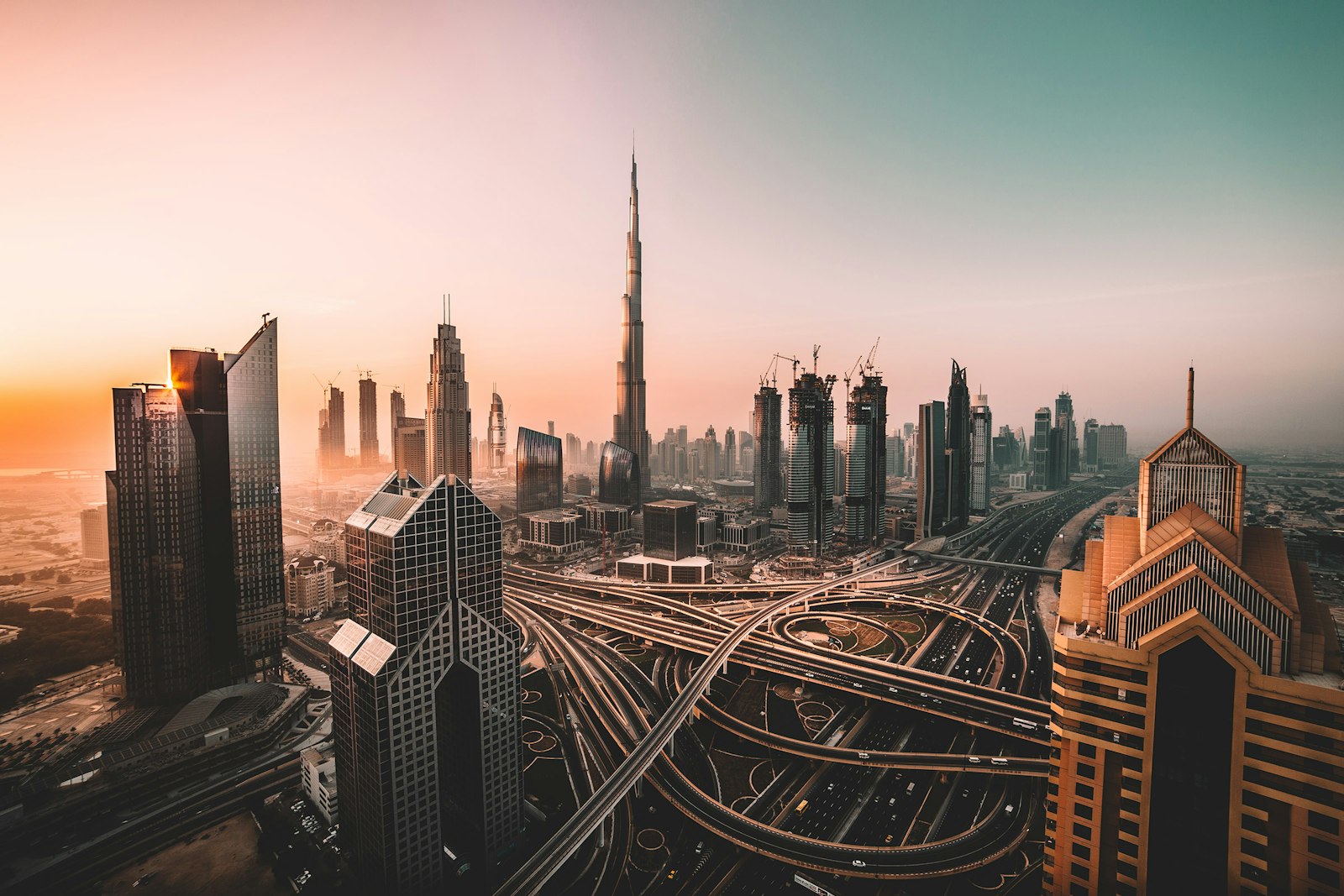
“Which area should I buy in to rent out?” People usually expect one name. But Dubai runs on a simple rule: the more prestigious the address, the lower the percentage yield. A high percentage almost always means an inexpensive area further from the sea, and you pay for it with other risks.
Below are the area figures for September–October 2026 and what’s behind them. Treat this as a starting point for a conversation with an agent, not advice on what to buy.
Where the numbers come from and how to read them
The average gross residential yield in Dubai in June 2026, according to Engel & Völkers’ first-half report, was 6.6%: apartments 6.9%, townhouses 5.1%, villas 4.5%.
For individual areas I use Bayut data. This is gross yield from listing prices: annual rent in listings divided by sale price in listings. It has two limits:
- listings aren’t transactions: real prices and rents are usually below the asking ones;
- gross isn’t net: service charges, repairs, vacancy and fees aren’t included.
So compare areas with each other, and run the numbers for your own apartment separately. How to get from gross to net is in my Dubai property investment guide.
Premium areas: lower percentage, stronger demand for the address
| Area | Apartment yield | One-bedroom: price / annual rent |
|---|---|---|
| Downtown | 4.70% | AED 2,405,000 / 121,000 |
| Business Bay | 5.27% | AED 1,796,000 / 94,000 |
| Dubai Marina | 5.25% | AED 1,787,000 / 93,000 |
| JLT | 5.63% | AED 1,474,000 / 87,000 |
Bayut, listing averages; updated 1–8 October 2026.
Downtown apartments are the most expensive, and in percentage terms it’s the most modest of the four. JLT sits next to the Marina, by the same metro stations, but costs less to enter, and its yield is higher.
Palm Jumeirah villas, by Bayut’s 22 September 2026 roundup, yield about 3.7–4%: Garden Homes 3.66%, Signature Villas 3.71%, The Crescent 3.96%. Villas in Dubai Hills range from 3.71% in Parkways to 5.21% in Fairways. This is a market for expensive assets: people buy these homes for rarity and address, not for the percentage.
The mid-market: JVC and its neighbours
| Area | Apartments | Villas | Townhouses |
|---|---|---|---|
| JVC | 6.72% | 6.07% | 5.73% |
| Al Furjan | 6.98% | 4.44% | 4.78% |
Bayut, updated 5 October 2026.
JVC is one of the most popular areas with investors: lots of new buildings, a low entry price (a studio averages about AED 686,000, a one-bedroom about AED 1.13 million) and steady tenant demand. The downside: there’s no metro in the area, and supply keeps growing, with new buildings next door competing with yours for the same tenants. Al Furjan has its own station on the Red Line.
Budget areas: the highest percentage
In Bayut’s roundup of apartments under AED 1 million (updated 22 September 2026), yields go higher still:
- Studios: Dubai Studio City 7.64% at about AED 659,000, Dubai Silicon Oasis 7.61% (about AED 602,000), Town Square 7.12%, JVC 6.98%.
- One-bedrooms: Dubai Investments Park 9.76% (about AED 635,000), Remraam 8.54%, Discovery Gardens 7.57%, International City 6.16%.
The numbers look great. But behind them are areas far from the sea and the centre, often without a metro, with price-sensitive tenants. When the rental market dips, these are the apartments that get cheaper first.
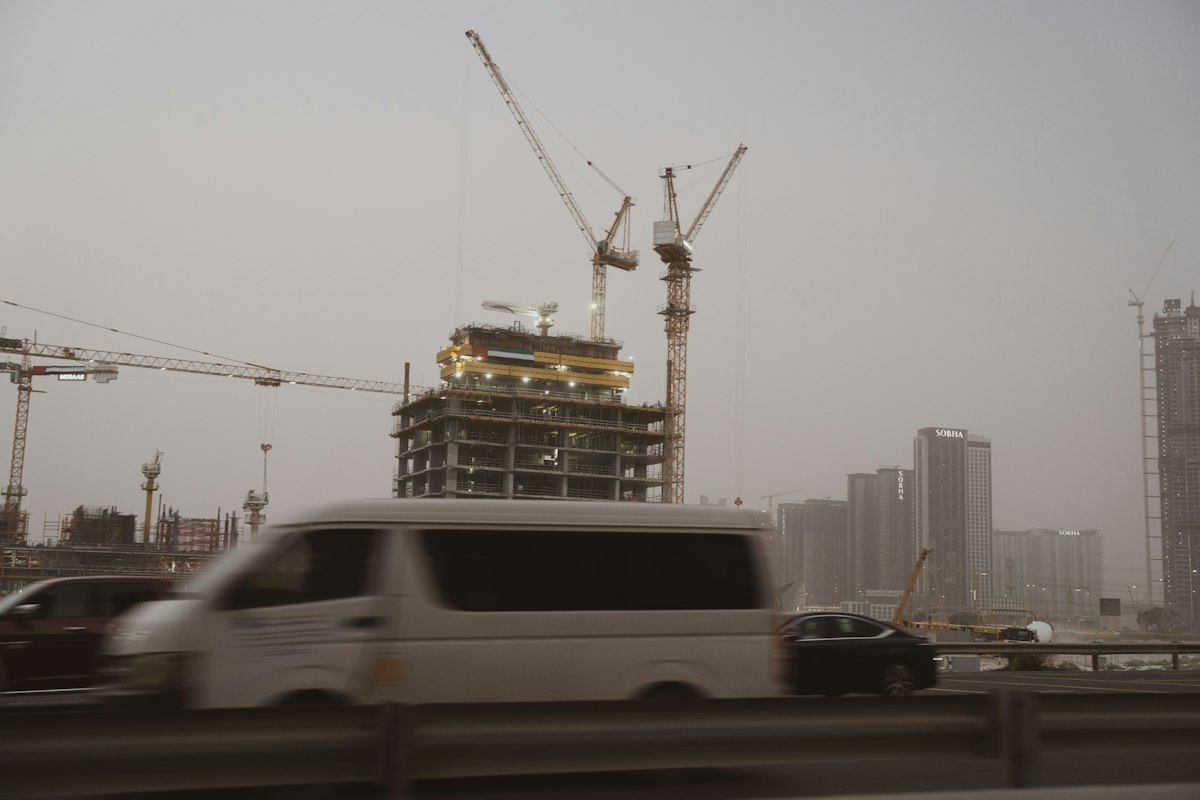
New buildings nearby are your apartment’s main competitor for tenants. Look not just at the area but at what’s being built in it. Photo: Sakena, CC BY 2.0, Flickr
What you pay for a high percentage
New supply. According to Colliers data quoted by Khaleej Times on 27 August 2026, about 11,650 new apartments and villas handed over in Dubai in Q2 2026, and about 56,600 units are scheduled by the end of the year. In the same quarter average prices fell 3% quarter on quarter and apartment rents 4%. In the areas with the most construction, rents react first.
Vacancy. One month without a tenant costs about 8% of annual income. In expensive areas it takes longer to find a tenant; in cheap ones the pressure is on price.
Costs. The owner pays the service charge, and it isn’t in listing-based yields. Buying costs the 4% DLD fee plus commissions; work them out with what it costs to buy property in Dubai.
Price growth. Cheaper areas often give more rent, while expensive ones give more price growth in good years. But nobody can promise growth. The full history is in Dubai property market cycles.
Hype isn’t an argument
In September 2023 I filmed three queues in a row for my Instagram: an ordinary one, a queue for the new iPhone and a queue for luxury property on a new island. The last one was the longest. That’s genuinely what new project launches look like in Dubai. But a queue tells you about demand at launch, not about what the rent will be three years after handover. How to judge a project under construction is in my off-plan guide.
How to compare areas for yourself
- Start with the tenant. Who will live in your apartment: a family, a young professional, a tourist? That decides both the area and the layout.
- Use real transactions, not listings. Ask the agent to show you recent deals in the building from the DLD register.
- Find out the building’s service charge and subtract it from the rent.
- Look at what’s being built nearby and when it hands over.
- Check the commute. An area “15 minutes” from the Marina can be 40 at rush hour. What matters for living in different areas is in the best areas to live in Dubai.
How I can help
I’m not an agent or an investment adviser. But the difference between areas is something you need to see once. In a day I can drive you through the areas on your list: where the metro is and where the exit is jammed, what’s being built next door, where families live and where people rent studios. I’ll pick you up from your hotel and then introduce you to agents I trust, with your list of questions already in hand.
If it’s your first time in the city, start with my Arabian Dream city tour: in one day Dubai’s geography will make sense.
This isn’t legal or investment advice: rules and prices change, so check them before any deal.
Checked on 11 October 2026. Sources: Bayut (area roundups and comparisons, September–October 2026), Engel & Völkers (H1 2026), Colliers via Khaleej Times.
Practical answers
Frequently asked questions
Which Dubai area has the highest rental yield?
By Bayut listings in September 2026, the highest yields are on inexpensive apartments on the edges of the city: a one-bedroom in Dubai Investments Park at 9.76%, in Remraam at 8.54%. Among popular areas, JVC (6.72%) and Al Furjan (6.98%).
What is the rental yield in Dubai Marina and Downtown?
By Bayut in October 2026, apartments in the Marina average 5.25%, JLT 5.63%, Business Bay 5.27% and Downtown 4.70%. That's gross yield based on listing prices.
Is a Palm Jumeirah villa a good buy-to-let?
Not in percentage terms: Palm villas yield about 3.7–4% by Bayut listings. People buy them as a prestige asset and for scarce supply rather than for yield.
Why are yields higher in cheaper areas?
Rents fall more slowly than prices: a studio at AED 600,000 doesn't rent for half as much as one at AED 1.2 million. But you pay for the higher percentage with vacancy, competition from new buildings, wear and slower price growth.
Are these net or gross yields?
Gross: annual rent divided by price. Net yield is lower once you subtract service charges, maintenance, vacancy, agent fees and one-off purchase costs, including the 4% DLD fee.
Can you help me choose an area to buy in?
I'm not an agent and I don't give investment advice. I can show you the areas and projects in person in one day and introduce you to agents I trust.
