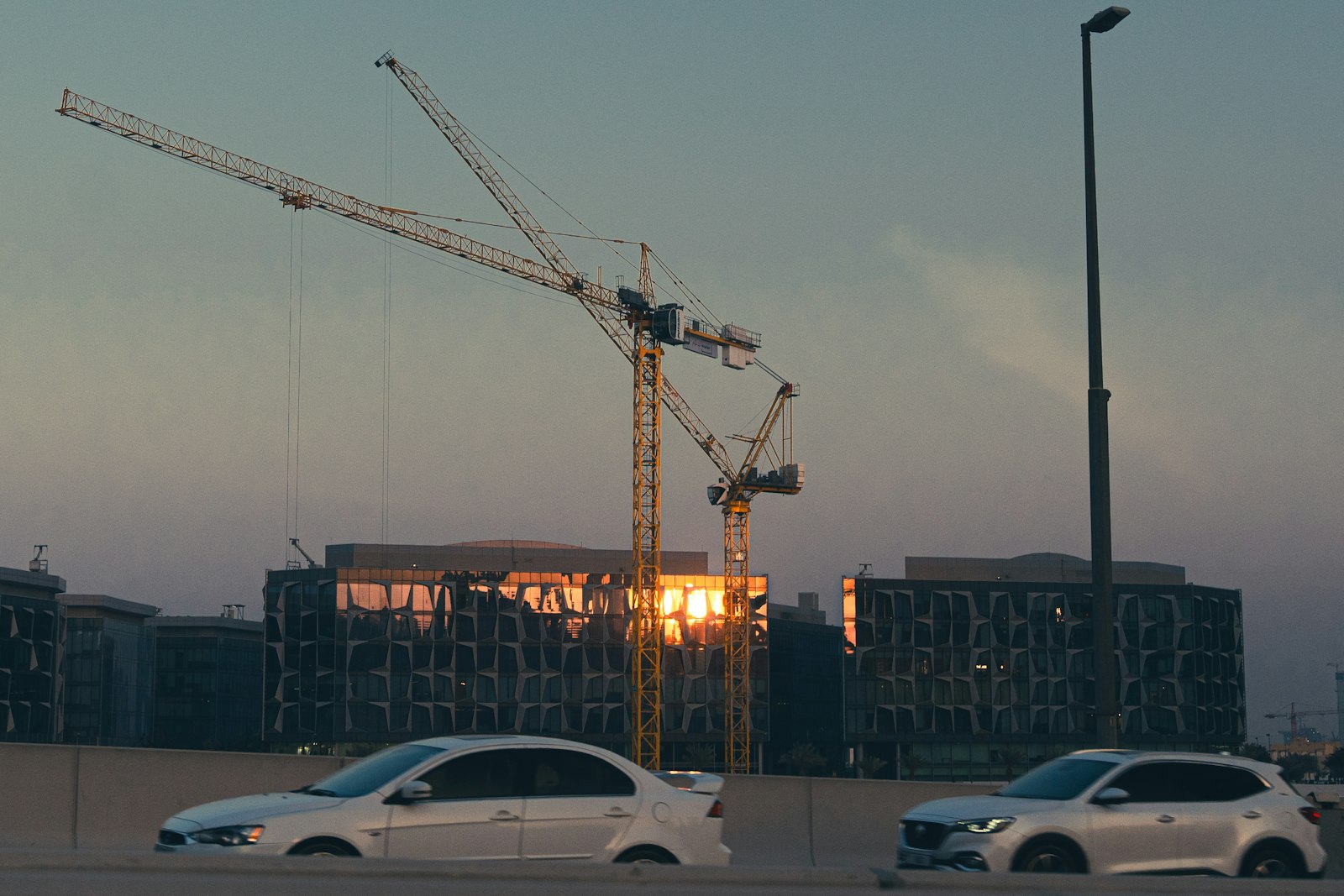
Most apartments in Dubai are now sold before they’re built. According to Engel & Völkers, off-plan accounted for 71.3% of home sales in the first half of 2026. The showrooms are beautiful, the payment plans are convenient and the entry price is lower. But you’re paying for a building that doesn’t exist yet, and it’s important to understand what protects you and what doesn’t.
This post covers how the law protects buyers, what Oqood is, how to read a payment plan, what to do about delays and how to check a project on the DLD website. The rules are as of October 2026.
Escrow: where your money goes
The buyer’s main protection is Dubai Law No. 8 of 2007 on escrow accounts. What matters in it:
- the developer must be registered with DLD and licensed, and can only advertise off-plan sales with the department’s written approval;
- an escrow account is opened for the project at an accredited bank before sales start, and buyers’ payments go there rather than directly to the developer;
- the money in the account is only for building that project, and the developer’s creditors can’t seize it;
- after completion, 5% is retained and released to the developer a year after the units are registered to buyers;
- if the project isn’t completed, the escrow agent works with DLD to ensure completion or a refund.
According to the DLD FAQ, money is released from the account in stages: after an engineer confirms that a stage of construction is complete. The developer can spend no more than 5% of sales from the account on marketing. If a project is cancelled, the account is handed to the liquidation department, and the developer must refund buyers within 60 days.
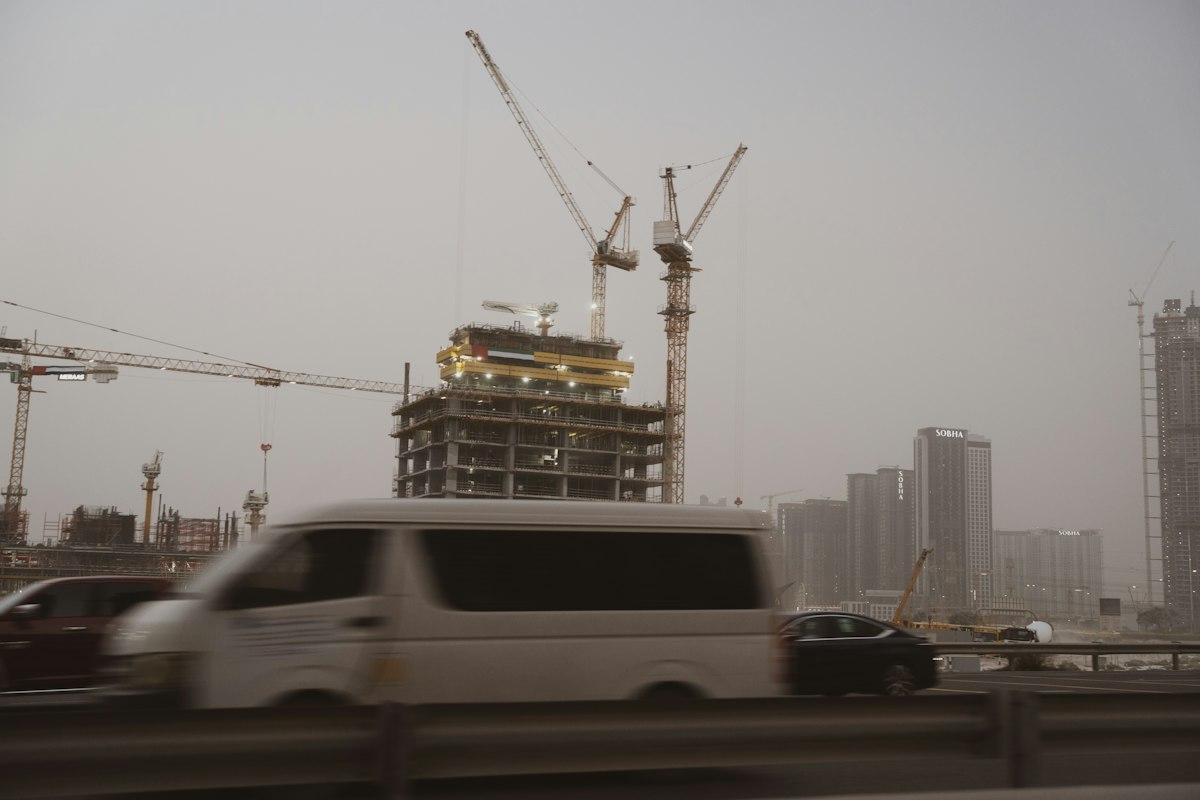
The developer receives escrow money in stages: first the building work, then the payout. Photo: traveljunction, CC BY-SA 2.0, Wikimedia Commons
Oqood and the DLD fee
A contract for a unit under construction is registered with DLD as an initial registration, known as Oqood. According to the DLD FAQ, transactions not recorded with the department are considered void. Developers register sales through their own self-registration system. Once the building is complete and the developer has its completion certificate, fully paid units move to the main register and the buyer receives a title deed.
The DLD fee is 4% of the price, the same as for a ready apartment. In May 2021 DLD reminded buyers that they pay the fee to the developer, who must complete the registration within 60 days. Check in your contract who pays the fee and when.
The payment plan
A typical off-plan scheme is payment in instalments: a deposit on booking, then payments by construction stage and the balance on handover, sometimes with part paid after handover. Every project has its own schedule.
What to check in the schedule:
- whether payments are tied to construction stages, not just to dates;
- how much is due on handover: this sum is often covered by a mortgage;
- what penalties apply if you pay late.
DLD advises not to pay the next instalment if the construction stage it’s tied to hasn’t been confirmed, for example by a letter from a DLD-approved project consultant.
Mortgage. For a property under construction a bank lends no more than 50% of the value, whatever the price or purpose, according to Khaleej Times’ breakdown of 30 August 2026. The down payment must come from your own money, not a personal loan.
Handover delays
Completion dates in Dubai often slip. In May 2025 Fitch Ratings noted that handover delays were smoothing the peak in supply. According to Colliers, about 11,650 homes were handed over in Q2 2026, with around 56,600 more scheduled before the end of the year. We’ll see how many arrive on time.
What this means for you:
- if you’re counting on rental income, build in a time buffer: there’s no income before handover;
- if you’re planning to move in, don’t sell your current home based on the date in the brochure;
- read the contract clause on timing and on what the buyer is entitled to if there’s a delay.
Resale before completion
According to the DLD FAQ, you can only sell a unit in a building under construction once the developer issues an NOC. The developer sets its resale terms in the contract: for example, how much must be paid before an assignment and what the NOC costs. Read this clause before you book if there’s any chance you’ll want to exit early.
How to check a developer and a project
- The project’s status on the DLD website. In the Dubai REST app or on the DLD website you can look up a project by plot number, project number or name and see its completion percentage and status.
- The developer’s registration. By law, only a developer registered with DLD can sell off-plan, and the project must have an escrow account. Ask for the escrow account number and check that your payment goes there.
- A technical report. According to the DLD FAQ, an investor can order a progress report from a RERA technical auditor: 15,000 AED per apartment or villa.
- The developer’s track record. Go and see its completed projects in person: quality, timing, how the buildings have aged after a few years. More in my post on Dubai’s property developers.
- What’s being built nearby. Several projects in the same area handing over at the same time means competition for tenants. On areas, see the best Dubai areas for investment.
Off-plan or a ready apartment
Off-plan: a lower entry price, a payment plan, a new building. The downsides: no rent until handover, the risk of delays, and you can’t see the apartment in person.
Ready apartment: rent from the first month, you can see what you’re buying, and you can check the service charges and the neighbours. The downsides: you pay up front, and you need a mortgage for a larger sum.
More on yields and risks in my post on property investment in Dubai, and on all the transaction costs in the costs of buying property in Dubai.
How I can help
I’m not an agent and I don’t handle transactions. But in one day I can show you the building sites and areas you’re considering: what’s already open nearby, what the drive is like at rush hour, which of the developer’s buildings are already standing and how they look. I’ll pick you up from your hotel, we’ll drive past the projects, and afterwards I’ll introduce you to agents I trust.
If it’s your first time in Dubai, start with my Arabian Dream city tour to understand where everything is.
This isn’t legal or investment advice: rules and prices change, so check them before any transaction.
Checked on 11 October 2026. Sources: Dubai Law No. 8 of 2007, Dubai Land Department (FAQ, news), Khaleej Times on mortgage rules, Engel & Völkers, Colliers and Fitch via Khaleej Times.
Practical answers
Frequently asked questions
Is it safe to buy off-plan in Dubai?
The law protects buyers' money with an escrow account: the developer receives it in stages, as an engineer confirms each stage of construction. But the risk of delays and market changes remains, so check the project and the developer on the DLD website before you buy.
What is Oqood?
It's the initial (interim) registration with DLD of a contract for a unit in a building under construction. After completion, fully paid units move to the main register and the buyer receives a title deed.
Can I sell an off-plan apartment before completion?
Yes, but only with the developer's NOC. The resale terms, including how much must be paid before you can assign the contract, are in your contract with the developer, so read them before you buy.
What happens if an off-plan project in Dubai is cancelled?
According to the DLD FAQ, the escrow account of a cancelled project is handed to the liquidation department, and the developer must refund buyers within 60 days.
Can I get a mortgage on off-plan property?
Yes, but for no more than 50% of the value, whatever the price or purpose. The rest comes from your own funds, usually on the developer's payment plan.
Can you show us building sites and areas?
Yes. I'm not an agent and I don't handle transactions, but in a day I can show you the areas and projects you're considering and introduce you to agents I trust.
