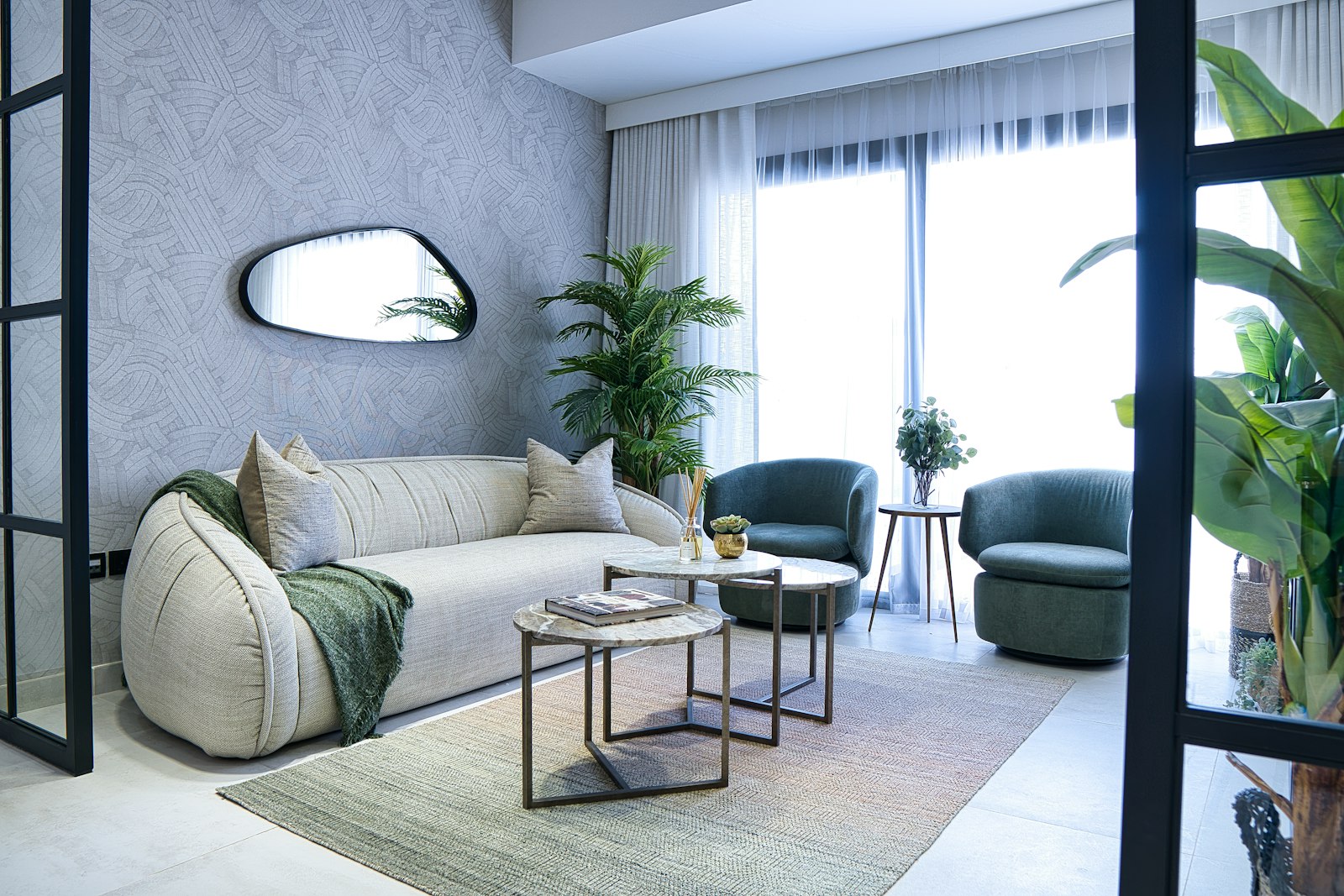
“Should we rent or buy?” is one of the questions I hear most from people moving to Dubai or in their second or third year here. There’s no ready answer: it comes down to your time horizon, the money you’d need up front and what you want the home to do for you. Below I lay out what the decision is made of and give you a simple way to run your own numbers in half an hour.
The figures are as of October 2026. The market moves quickly, so check them before you decide.
What’s happening with prices and rents
After several years of growth, the market has calmed down. According to Colliers data reported by Khaleej Times on 27 August 2026, average apartment and villa prices in Dubai fell 3% quarter on quarter in Q2 2026. Apartment rents fell 4% and villa rents 2%. About 11,650 new homes were handed over in the quarter, and around 56,600 more are scheduled before the end of 2026.
For tenants that’s good news: more choice and more room to negotiate. For buyers it’s a reason not to rush and to compare.
Linking rent to price
The simplest bridge between rent and price is gross yield: annual rent divided by the price. According to Engel & Völkers’ report for the first half of 2026, average gross yields in Dubai in June were:
- apartments: 6.9%;
- townhouses: 5.1%;
- villas: 4.5%.
What that means for you. If an apartment costs 1.5 million AED and similar units in the building rent for about 100,000 AED a year, the yield is about 6.7%. Put another way, the price equals roughly 15 years of rent. The higher the yield, the more expensive renting is relative to the price, and the stronger the case for buying. Villas are the opposite: rent is cheaper relative to the price.
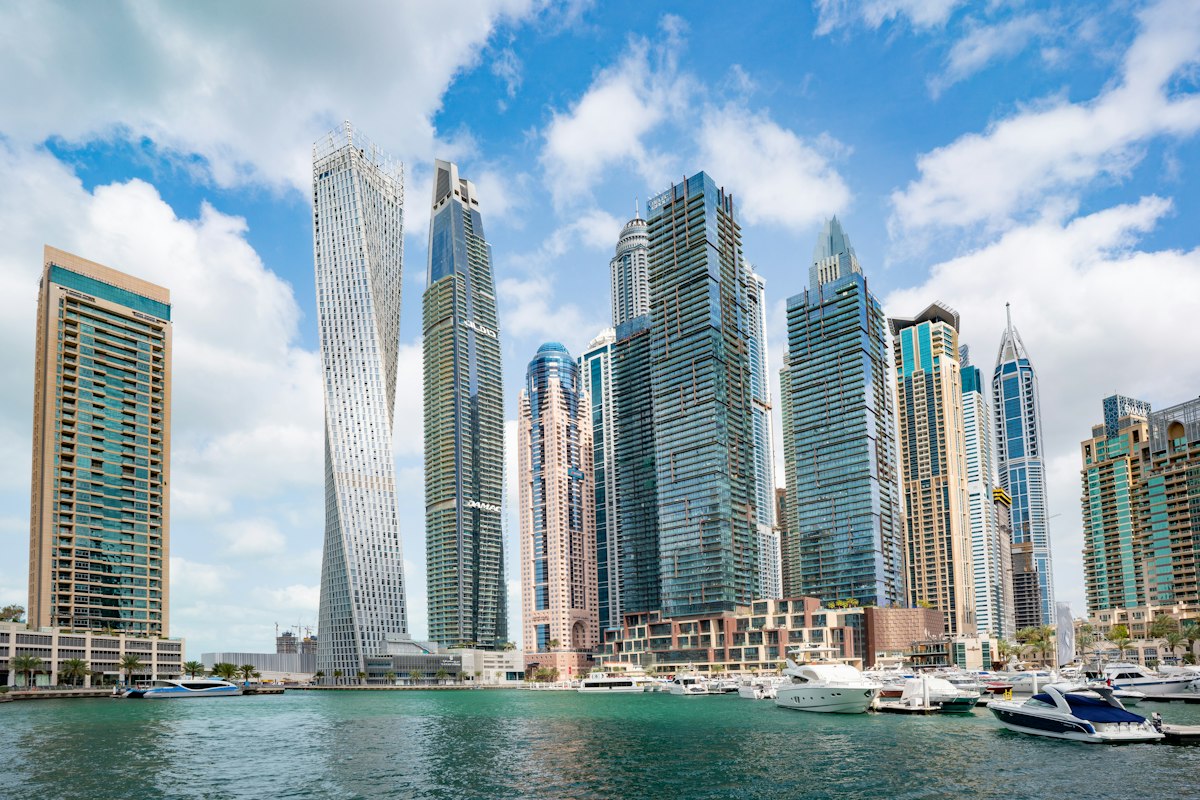
In areas with lots of apartments to choose from, like the Marina, it’s easier to negotiate whether you rent or buy. Photo: Francisco Anzola, CC BY 2.0, Flickr
The cost of getting in and out
Buying. On top of the price come the 4% DLD fee, the registration trustee’s fees, the agent’s commission and, if you have a mortgage, its registration and valuation. Property Finder put all of this at 7–10% of the price as of July 2026. The full breakdown is in my post on the costs of buying property in Dubai.
A mortgage needs its own cash for the down payment: for a foreign buyer’s first home up to 5 million AED, at least 20%. On a 1.5 million AED apartment that’s 300,000 AED down plus about 100,000 AED in costs.
Selling. There are costs again on the way out: the agent’s commission, the developer’s NOC and releasing the mortgage if the loan isn’t paid off. And time: a sale can take months.
Renting. Getting in is cheaper: a deposit, the agent’s commission and registering the contract in Ejari. Through the app or website, registration costs 100 AED plus two 10 AED fees, according to DLD. Tenants also pay a municipality fee of 5% of the annual rent, which appears as a separate line on the DEWA bill. The step-by-step process is in my guide to renting an apartment in Dubai.
Tenant protection
Renting in Dubai comes with clear rules. Any increase on renewal follows the DLD rental index: from 0 to 20%, depending on how far your rent is below the market average. If you already pay the market rate, there may be no increase at all. The landlord must notify you of an increase at least 3 months in advance. The index is updated once a year, and you can check your rate on the DLD website or in the Dubai REST app.
The visa question
For many people the deciding factor isn’t the maths but the visa. Property worth 2 million AED or more lets you apply for the 10-year Golden Visa under ICP rules. A mortgage from an approved local bank qualifies, and so does off-plan property from an approved developer. Details, documents and costs are in my post on the Golden Visa through property.
If you need a visa but your budget is smaller, note that DLD also has a separate property owner’s visa with a different term and threshold. Different sections of the DLD website describe its conditions differently, so confirm them directly with the Cube centre at DLD.
A simple break-even calculation
Here’s the logic I find useful. The figures below are an example; plug in your own.
1. The tenant’s annual cost: the rent. Say 100,000 AED.
2. The owner’s annual cost:
- mortgage interest (not the whole payment: repaying the principal is your own savings);
- service charges, from the DLD Service Charge Index for your project;
- maintenance and small repairs;
- the return you give up on your 400,000 AED of down payment and costs: what it would earn on deposit or in another investment.
3. One-off costs: about 100,000 AED to get in, plus the costs of selling. Divide them by the number of years you plan to live in the apartment.
If item 2 plus item 3 per year comes to less than the rent, buying wins. If it’s more, renting is better value.
What this logic already shows. The one-off costs are roughly a year’s rent. So over one or two years, renting almost always comes out ahead. The longer your horizon, the less those costs weigh on each year. Changes in the property’s price over those years can shift the result either way, and nobody can promise growth.
When renting makes sense
- It’s your first year in Dubai and you don’t yet know which area is yours.
- Your job or your children’s school may change in the next couple of years.
- You don’t have spare cash for the down payment and costs without eating into your safety cushion.
When it’s worth running the numbers on buying
- You’re sure of the city and the area for many years ahead.
- You need a long-term visa and your budget reaches the 2 million AED threshold.
- Rents for similar apartments in the building you like are high relative to the price.
Live in the area you’re considering first. It’s the best way to test it before you buy. My shortlist of areas is in the best areas to live in Dubai.
How I can help
I’m not an agent and I don’t handle transactions. But in one day I can show you the areas that fit your budget and lifestyle: where it’s quiet, where families with children live, what’s close to the sea or to your office. I’ll pick you up from your hotel, we’ll drive through the places that matter to you, and afterwards I’ll introduce you to rental and sales agents I trust.
If you’re just getting to know the city, start with my Arabian Dream city tour: in one day you’ll see the main areas.
This isn’t legal or investment advice: rules and prices change, so check them before any transaction.
Checked on 11 October 2026. Sources: Engel & Völkers (H1 2026), Colliers via Khaleej Times, Dubai Land Department (FAQ: rental index, Ejari), ICP, Property Finder.
Practical answers
Frequently asked questions
Is it better to rent or buy in Dubai?
It depends on how long you'll stay. Buying adds 7–10% to the price on the way in, plus costs when you sell, so over one or two years renting almost always wins. The longer you plan to live in the same home, the stronger the case for buying.
What is the rental yield in Dubai?
In June 2026 the average gross yield was 6.9% for apartments, 5.1% for townhouses and 4.5% for villas, according to Engel & Völkers. That's before service charges, vacancy and maintenance.
Does buying property in Dubai give you a visa?
Property worth 2 million AED or more lets you apply for the 10-year Golden Visa under ICP rules. For cheaper purchases, DLD has a separate property owner's visa with a different term; confirm the conditions with DLD.
Can a Dubai landlord raise the rent whenever they want?
No. Increases on renewal follow the DLD rental index, from 0 to 20% depending on how far your rent is below the market rate, and the tenant must be notified at least 3 months in advance.
What costs does a tenant pay on top of rent in Dubai?
Ejari registration of the contract (100 AED plus two 10 AED fees through the app), DEWA utilities, and the 5% municipality fee on annual rent, which comes on the DEWA bill. Add a deposit and the agent's commission as agreed.
Can you show us areas so we can decide where to live?
Yes. I spend a day with you in the areas that fit your budget and lifestyle, and introduce you to agents I trust. I'm not an agent and I don't handle transactions.
