Ramadan in Dubai doesn’t mean the city shuts until sunset. Tourist sites and many restaurants stay open, tours carry on, and in the evening the city becomes especially lively. But the rhythm of the day changes: taxis are harder to find before iftar, some services work shorter hours, and popular dinners need a booking.
I show Ramadan to my followers not as a list of bans but as a living season in the city: the cannon before iftar, a quiet Global Village, evening markets, family dinners and roads that suddenly empty or fill up. For a visitor it’s a good time to come, as long as you understand a few planning rules.
Checked in October 2026. Ramadan dates and hours are confirmed close to the start of the month, so check official sources before you book.
What Ramadan is, and when it falls in 2027
Ramadan is the ninth month of the Islamic lunar calendar. Muslims fast from dawn to sunset and give more time to prayer, charity and family. The exact first day is confirmed by an official sighting of the new moon, so the final date is announced close to the start of the month. Because the lunar year is shorter, Ramadan moves about 11 days earlier every year.
Ramadan 2027 is expected to begin on about 8 February 2027, with Eid Al Fitr on 9 or 10 March, according to astronomical forecasts reported in the UAE press. These are forecasts, not official dates, so if your trip sits on the edge of the month, keep a day of flexibility. In 2027 it falls in the mild season, which makes daytime walks much easier than in a summer Ramadan.
After sunset the fast is broken with iftar. Before dawn comes suhoor, the last meal before the next day of fasting. The month ends with the festival of Eid Al Fitr.
What changes for a tourist
| Time of day | What happens | How to plan |
|---|---|---|
| Morning | Calmer and cooler | Tours and walks |
| Daytime | Most places open, but hours can be shorter | Check opening hours |
| 60–90 minutes before iftar | Roads and taxis become less predictable | No long journeys |
| Sunset | Iftar; some streets empty for a while | Already be in the area you chose |
| Late evening | Malls, markets and cafes come alive | A great time for a walk |
The main mistake is to plan an ordinary day and simply add a restaurant at sunset. It works better the other way round: fix where you’ll be for iftar, then build the day’s route around it.
Restaurants and eating during the day
Dubai stopped being a place where a tourist goes hungry until evening a long time ago. The UAE government portal says that attractions, restaurants and cultural sites stay open during the day, and many hotels, food courts and cafes serve guests in the daytime.
But the exact hours change. A small restaurant may open later or only at iftar, the usual breakfast may finish earlier, and a popular place may switch to a special menu. Check the website or call on the day.
As a tourist you can eat and drink, but a showy picnic in the middle of a busy public space while people are fasting is bad manners. Malls have food courts and designated areas for this. Being discreet matters more here than trying to learn dozens of formal rules.
Iftar: more than a buffet dinner
Iftar begins after the call to prayer at sunset. In hotels it’s often a big buffet, but at home and in the community, iftar is about sharing a meal, hospitality and charity.
Choose the format deliberately. To get to know the tradition, a cultural programme or a restaurant with Emirati food is more interesting. For a family with small children, a hotel close to your room is easier. For a beautiful evening, book a terrace, but don’t confuse the view with the content: sometimes a modest table and a good story leave a stronger impression.
The Ramadan cannon
A traditional cannon shot marks the moment the fast is broken. I’ve filmed this ceremony more than once: people arrive early, pick their spot and wait for a short but symbolic moment.
Locations and timings can change every year. Don’t carry an old list of venues over to your next trip. Check the programme for that season and arrive early: the drive before iftar takes longer than you think.
Transport before sunset
In the hour before iftar, many drivers and staff try to finish their shift or get home for dinner. The government portal warns that taxis can be harder to find at this time and recommends booking in advance. At the same time, some roads get heavy traffic.
A practical rule: be seated in your restaurant, hotel or walking area at least 45–60 minutes before sunset. Don’t plan a drive from the Marina to Old Dubai “just in time for iftar”. All the options are in my guide to getting around Dubai.
What to wear and how to behave
During Ramadan, more modest clothing is especially appropriate: shoulders and knees covered in the cultural districts, mosques and government buildings. In a beach hotel the resort rules still apply, but you shouldn’t walk from the lobby to a city market in a swimsuit at any time of year.
Loud music, swearing and visible impatience look out of place. At the same time, a tourist doesn’t need to pretend to be fasting. Calm respect works better than theatrical caution.
Tours and working hours
Working hours in the UAE are shortened during Ramadan: by law the working day is two hours shorter. That affects offices, museums, services and the availability of some specialists. Tours usually go ahead, but start times may shift.
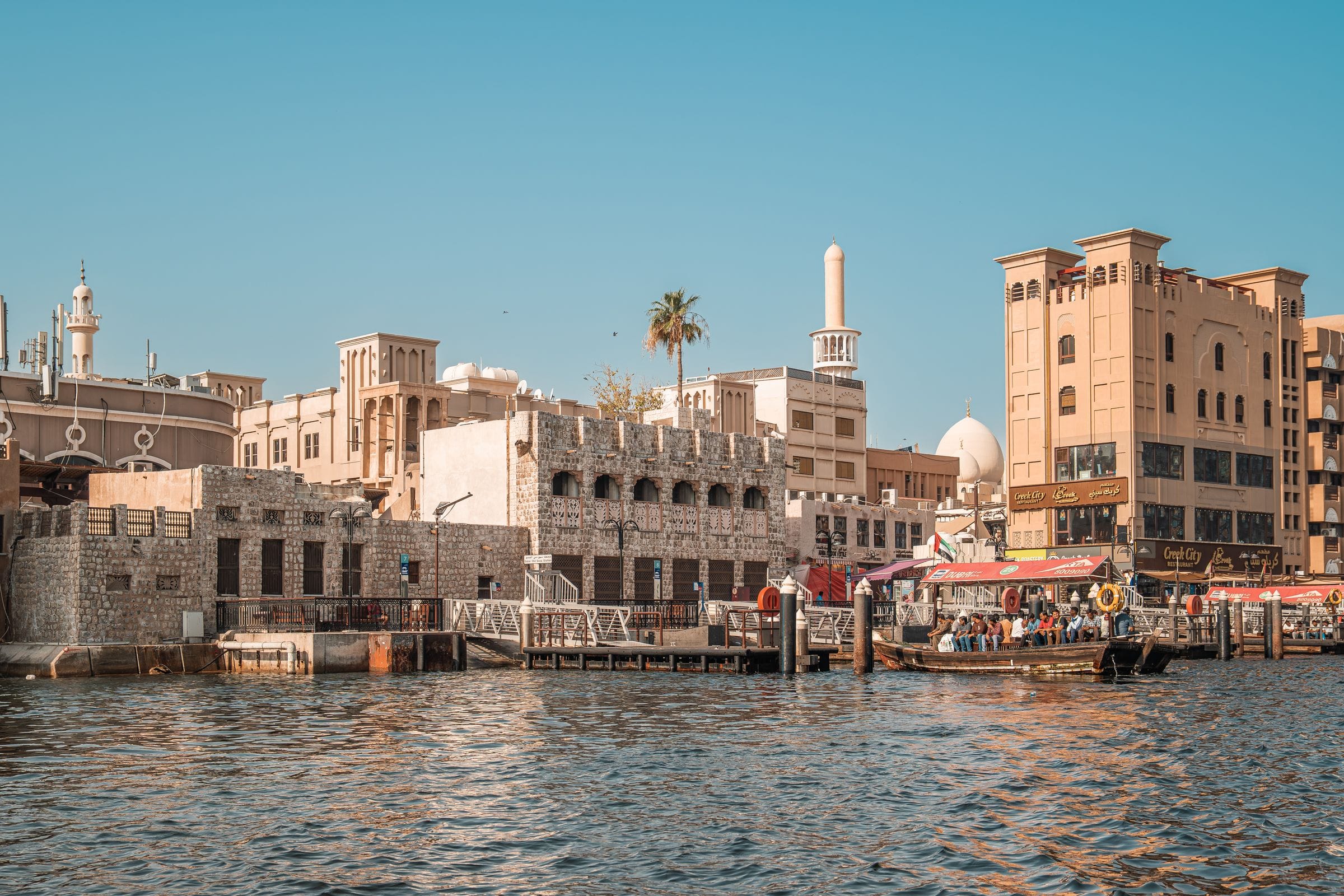
For Old Dubai an early start is best: fewer people, softer light and it’s easier to finish the walk before the evening traffic. My route through Al Fahidi and the Creek is in my Old Dubai walking route.
Eid Al Fitr: a separate stage of your trip
The holiday after Ramadan isn’t just a continuation of the quiet month. Parks, malls, roads and family attractions get noticeably busier. I’ve seen long holiday weekends with packed parks, and it’s an important warning for planning.
If your dates fall on Eid, book popular places in advance, check the holiday opening hours and don’t build a day of five stops. Sometimes the best plan is one area, a good lunch and an evening event.
Why I like Dubai in Ramadan
The city can be quieter in the day, a special family energy appears in the evening, and visitors notice traditions that dissolve into everyday life in other months. I once compared it with Oman, where the daytime rhythm felt stricter: Dubai remains a very open tourist city, but that doesn’t make Ramadan invisible.
Send me your dates, the area of your hotel and who is travelling. I’ll help you place tours, iftar and journeys so that you see the month not through an anxious list of “don’ts” but through a clear and respectful route.
Sources
Practical answers
Frequently asked questions
When is Ramadan 2027 in Dubai?
Astronomers expect it to start on about 8 February 2027 and end with Eid Al Fitr on 9 or 10 March. The exact dates are confirmed by the UAE moon-sighting committee only shortly before, so keep a day of flexibility.
Are restaurants open during the day in Ramadan?
In Dubai many restaurants, cafes and food courts stay open in the daytime, though some shorten their hours or open only at iftar. Check your chosen place before you go.
Can tourists eat and drink in public during Ramadan?
Non-Muslims don't have to fast. Eat and drink in restaurants, food courts and designated areas, be discreet in public places and follow the rules of the venue.
Should I book iftar in advance?
Yes, for a popular restaurant or hotel. For a simple dinner you can come later, once the first wave of guests has left.
Does transport change during Ramadan?
Yes. Before iftar roads get busy and taxis are harder to find, while malls and districts come alive in the evening. Book a taxi in advance and leave extra time.
Is Ramadan a good time to visit Dubai?
Yes, if you're ready for a different rhythm. Some places are calmer in the day, and in the evening there are special markets, iftars and cultural programmes.